2026.09.09 (수) 19:21




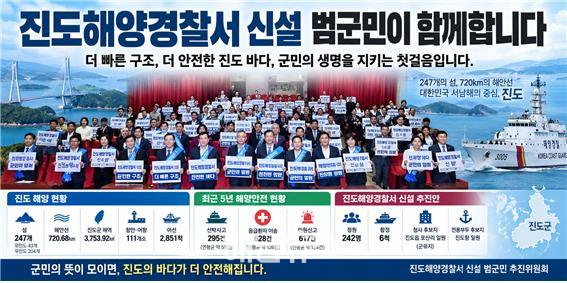 진도해양경찰서 번군민추진 / 사진제공=ai호남뉴스 |
247개의 섬이 흩어져 있고 해안선 길이만 720㎞가 넘는 진도 바다에 독립된 해양경찰서가 필요하다는 지역사회의 요구가 본격화되고 있다.
진도군청 대회의실에서 지난 7일 열린 ‘진도해양경찰서 신설 범군민 추진위원회’ 출범은 이러한 요구를 지역의 공식 의제로 끌어올렸다는 점에서 의미가 있다.
하지만 진도해양경찰서 신설 문제를 단순히 새로운 국가기관 하나를 지역에 유치하는 문제로 바라봐서는 본질을 놓칠 수 있다. 중요한 것은 지금의 목포해양경찰서와 완도해양경찰서 관할체계가 진도 해역의 사고와 응급상황에 얼마나 효율적으로 대응하고 있는지, 그리고 독립된 진도해양경찰서를 설치할 경우 실제 구조시간을 얼마나 줄일 수 있느냐다.
진도에는 현재 해양경찰 조직이 없는 것은 아니다. 목포해양경찰서 소속 진도파출소가 임회면 서망항에 있고 도서지역에도 출장소가 운영되고 있다. 목포해경은 진도파출소 관할지역에서 해양사고 발생 시 초동조치와 구조, 연안안전관리 등의 업무를 수행하고 있다.
문제는 진도에 독립된 ‘해양경찰서’가 없다는 것이다. 파출소는 일선 현장조직인 반면 해양경찰서는 상황관리와 경비함정 운용, 구조·수사·정보·해양안전 등 여러 기능을 종합적으로 지휘하는 상급기관이다.
더욱이 진도 주변 해역은 하나의 해양경찰서가 전담하는 구조도 아니다. 완도해양경찰서 역시 공식 홈페이지에서 관내를 완도·해남·강진·장흥과 진도 해역이라고 밝히고 있다. 완도해경 자체가 285개의 유·무인도와 340개 항포구, 1만2천여 척의 선박을 관리하는 광범위한 다도해 관할기관이다.
결국 하나의 행정구역인 진도군을 둘러싼 바다가 목포해경과 완도해경의 관할로 나뉘어 있는 셈이다. 진도군과 범군민 추진위원회가 문제 삼는 것도 바로 이 대목이다.
진도군이 제시하는 해양안전 수요는 적지 않다. 진도에는 모두 247개의 섬이 있으며 이 가운데 43개가 유인도, 204개가 무인도다. 해안선은 720.68㎞에 이르고 군 해역 면적은 3,753.92㎢에 달한다. 항만과 어항은 111곳, 등록 어선은 2,851척이다.
최근 5년간 진도지역에서 발생한 선박사고는 295건이며 도서지역 등을 중심으로 한 응급환자 이송도 628건에 달한다. 민원신고도 같은 기간 617건으로 집계됐다. 이를 단순 평균하면 매년 약 59건의 선박사고와 126건의 응급환자 이송이 발생한 셈이다.
진도군은 이 같은 통계를 근거로 독립된 해양경찰서의 필요성을 주장하고 있다.
진도 바다의 지리적 특성도 무시하기 어렵다. 진도 본섬 주변뿐 아니라 조도와 관매도, 가사도, 거차군도 등 수많은 섬이 넓게 분포해 있고 목포와 제주를 오가는 여객선과 화물선의 주요 항로도 인접해 있다. 울돌목을 비롯해 조류가 빠른 수역과 좁은 수로도 많아 사고 발생 시 신속한 현장 대응이 무엇보다 중요하다.
그러나 여기에서 반드시 짚어야 할 부분이 있다. “목포나 완도에 해경서가 있으니 진도에서 사고가 나면 목포나 완도에서 배가 출발한다”는 식의 단순 계산은 실제 해경 구조체계와 다르다.
해양사고가 발생하면 사고지점에서 가장 가까운 경비함정이나 연안구조정, 파출소 구조세력 등이 우선 투입될 수 있다. 필요하면 민간해양구조대 등도 동원된다. 완도해경 역시 산하 파출소와 출장소의 주요 업무로 해양사고 초동조치와 구조업무를 명시하고 있다.
때문에 진도해양경찰서 신설의 타당성을 객관적으로 입증하려면 단순히 목포에서 진도까지, 완도에서 진도까지의 지도상 거리를 비교하는 것으로는 부족하다.
실제로 최근 5년 또는 10년간 진도 해역에서 발생한 사고에서 신고가 몇 시에 접수됐고, 어느 함정 또는 구조정이 어디에서 출동했으며, 사고 현장까지 몇 ㎞를 이동해 몇 분 만에 도착했는지를 확인해야 한다.
이 자료가 현재 논란에서 가장 중요한 숫자다.
진도군이 제시한 최근 5년 선박사고 295건 가운데 신고 후 10분 이내 도착한 사고가 몇 건인지, 30분 이상 또는 1시간 이상 걸린 사고는 얼마나 되는지, 목포해경과 완도해경 관할 사이에 의미 있는 차이가 있었는지를 분석해야 비로소 ‘관할 이원화가 골든타임을 늦추고 있다’는 주장을 객관적으로 판단할 수 있다.
반대로 기존 진도파출소와 주변 경비함정이 대부분의 사고에 신속하게 대응하고 있었다면 별도 경찰서 신설이 반드시 골든타임 단축으로 연결되는지도 따져봐야 한다.
현재 공개자료에서 해양경찰청과 목포해경, 완도해경이 “진도해양경찰서 신설에 찬성한다”거나 “신설이 불필요하다”는 내용의 공식적인 찬반 입장을 발표한 사실은 확인되지 않는다. 특히 범군민 추진위원회 출범 행사에 해경 관계자가 참석했다고 해서 이를 해양경찰청의 신설 동의로 해석해서는 안 된다.
완도해경이 공식적으로 밝히고 있는 것은 현재 자신들이 진도를 포함한 5개 군 해역을 관할하면서 해역별 위험요인을 분석하고 현장 중심의 안전관리를 수행하고 있다는 것이다. 김태환 완도해경서장 역시 공식 인사말에서 완도·해남·강진·장흥과 진도 해역을 관할지역으로 명시하고 있다.
따라서 현 단계에서 가장 정확한 표현은 진도군과 지역사회가 진도해경 신설을 요구하고 있지만 해양경찰청과 정부가 신설을 최종 결정한 단계는 아니라는 것이다.
반면 진도군의 준비는 상당히 구체적인 단계까지 진행됐다.
군은 진도해양경찰서 신설 추진 TF를 구성하고 정원 242명, 함정 6척 규모의 경찰서 신설안을 정부에 건의하는 방안을 추진하고 있다. 청사 후보지로 진도읍 포산리 일원 군유지를, 함정 전용부두 후보지로 진도항 일원을 검토하는 등 단순한 선언을 넘어 구체적인 조직 규모와 입지까지 제시하고 있다.
진도항 등에 경비함정과 구조전력을 상시 배치하고 자체 상황·지휘체계를 갖춘다면 진도 서·남부와 조도군도 등 일부 해역에서는 출동거리와 시간이 줄어들 가능성이 있다.
하지만 이것 역시 추정만으로 결론 내릴 사안은 아니다.
해양경찰청은 진도해경이 신설됐다고 가정했을 때 현재 목포·완도해경의 관할을 어떻게 재조정할 것인지, 함정 6척을 어디에 배치할 것인지, 기존 진도파출소·출장소와 어떤 역할 분담을 할 것인지, 추가 인력과 예산은 얼마나 필요한지를 함께 검토해야 한다.
특히 진도해경 신설 요구에서 강조되는 ‘골든타임’은 정치적 구호가 아니라 실제 구조기록으로 입증돼야 한다.
해양경찰청과 목포·완도해경이 최근 5~10년 진도 해역 사고에 대한 신고접수 시각, 출동지시 시각, 최초 구조세력 출동시각, 출발 위치, 사고지점까지의 거리, 현장 도착시각, 구조완료 시각을 개인정보와 작전상 보안을 제외하고 공개한다면 현 체계의 장단점을 상당 부분 확인할 수 있다.
또 같은 사고지점을 기준으로 진도항이나 서망항 등에 함정이 상시 배치됐을 경우의 예상 출동시간과 비교한다면 진도해경 신설에 따른 실질적인 골든타임 단축 효과도 계산할 수 있다.
결국 정부가 답해야 할 질문은 단순하다.
왜 지금까지 진도에는 해양경찰서가 없었으며, 현재의 목포·완도 이원화 체계가 앞으로도 진도 바다의 안전을 책임지는 가장 효율적인 구조인가.
진도에는 247개의 섬과 720㎞가 넘는 해안선이 있고 2,851척의 어선이 움직인다. 최근 5년 동안 295건의 선박사고와 628건의 응급환자 이송이 발생했다.
이 정도의 해양안전 수요가 독립된 해양경찰서를 필요로 하는 수준인지, 아니면 기존 파출소와 경비함정 배치를 강화하는 것이 더 효과적인지는 정부와 해양경찰청이 객관적인 자료를 내놓고 판단해야 한다.
지역사회 역시 경찰서라는 ‘기관 하나’를 유치하는 데 논리를 머물러서는 안 된다.
진도해양경찰서가 필요한 가장 강력한 이유가 있다면 그것은 청사도, 조직도, 지역경제 효과도 아닌 사람의 생명을 구하는 시간이어야 한다.
따라서 이제 필요한 것은 최근 5~10년간 진도 바다에서 발생한 사고를 지도 위에 올려놓고 구조세력이 어디에서 출발해 얼마나 이동했고 몇 분 만에 도착했는지 공개하는 일이다.
그 결과 현재의 목포·완도 관할체계에서 구조 지연이 반복됐고 진도에 함정과 지휘체계를 상시 배치했을 경우 상당한 시간을 단축할 수 있다는 사실이 확인된다면 진도해경 신설 요구는 단순한 지역 숙원을 넘어 국가가 답해야 할 해양안전 문제가 된다.
[In-Depth Report]
“Accidents Happen in Jindo Waters, but Command Comes from Mokpo and Wando”… Why Is There No Coast Guard Station in Jindo?
247 islands, 720 km of coastline, and 2,851 fishing vessels… Jindo waters are divided between the Mokpo and Wando Coast Guard Stations
295 vessel accidents and 628 emergency patient transfers over the past five years… Maritime safety demand continues to grow
Jindo has a Coast Guard substation, but no independent station with its own command, investigation, and rescue functions
Jindo County: “The divided jurisdiction must be improved”… Proposal calls for 242 personnel and six patrol vessels
The Korea Coast Guard, Mokpo Coast Guard, and Wando Coast Guard have yet to officially announce approval of a new Jindo station
The key issue is the “golden time”… Actual dispatch distances and arrival times must be disclosed to verify the effects of establishing a new station
[Jindo = AI Honam News] aihnnews@kakao.com
Calls are growing within the local community for the establishment of an independent Coast Guard station in Jindo, a maritime region made up of 247 islands and more than 720 kilometers of coastline.
The official launch of the “Pan-County Committee for the Establishment of the Jindo Coast Guard Station,” held at the Jindo County Office auditorium on the 7th, is significant in that it has elevated the issue from a long-standing local demand to a formal regional agenda.
However, the issue should not be viewed simply as an attempt to attract another government agency to the area. The real question is how effectively the current jurisdictional system—divided between the Mokpo Coast Guard Station and the Wando Coast Guard Station—responds to maritime accidents and emergencies in Jindo waters, and how much actual rescue time could be reduced if an independent Jindo Coast Guard Station were established.
Jindo is not completely without a Coast Guard presence. A Jindo Coast Guard substation under the Mokpo Coast Guard Station is located at Seomang Port in Imhoe-myeon, and branch offices are also operated in island areas. The Mokpo Coast Guard is responsible for initial response, rescue operations, and coastal safety management within the jurisdiction of the Jindo substation.
The problem is that Jindo does not have an independent “Coast Guard Station.” A substation is a frontline field unit, while a Coast Guard station serves as a higher-level command organization responsible for comprehensive situation management, patrol vessel operations, rescue, criminal investigations, intelligence, and maritime safety.
Moreover, the waters surrounding Jindo are not managed by a single Coast Guard station. The Wando Coast Guard Station also states on its official website that its jurisdiction includes the waters off Wando, Haenam, Gangjin, Jangheung, and Jindo. The Wando Coast Guard itself oversees a vast maritime area containing 285 inhabited and uninhabited islands, 340 ports and harbors, and more than 12,000 vessels.
In effect, although Jindo is one administrative county, the surrounding sea is divided between the Mokpo and Wando Coast Guard jurisdictions. This is the central issue raised by Jindo County and the pan-county committee.
The maritime safety demand cited by Jindo County is considerable. Jindo has a total of 247 islands, including 43 inhabited islands and 204 uninhabited islands. Its coastline extends 720.68 kilometers, while the county’s maritime area covers 3,753.92 square kilometers. There are 111 ports and fishing harbors and 2,851 registered fishing vessels.
Over the past five years, 295 vessel accidents have occurred in the Jindo area, while 628 emergency patients have been transported, many from island communities. A total of 617 civil complaints and emergency reports were also recorded during the same period. On a simple annual average, this amounts to approximately 59 vessel accidents and 126 emergency patient transfers per year.
Jindo County cites these figures as evidence supporting the need for an independent Coast Guard station.
The geographic characteristics of Jindo waters are also significant. Numerous islands, including Jodo, Gwanmaedo, Gasado, and the Geochagundo archipelago, are widely scattered around the main island of Jindo. Major passenger and cargo vessel routes between Mokpo and Jeju also pass nearby. The area includes strong tidal currents, such as those at Uldolmok Strait, as well as narrow waterways, making rapid emergency response particularly important.
However, one point must be clearly understood. It is inaccurate to assume that because Coast Guard stations are located in Mokpo or Wando, rescue vessels must always depart from Mokpo or Wando whenever an accident occurs in Jindo waters.
When a maritime accident occurs, the nearest available patrol vessel, coastal rescue boat, Coast Guard substation, or other rescue unit may be dispatched first. Civilian maritime rescue units may also be mobilized when necessary. The Wando Coast Guard likewise identifies initial response and maritime rescue as core duties of its substations and branch offices.
For this reason, determining whether a Jindo Coast Guard Station is objectively necessary requires more than comparing map distances from Mokpo or Wando to Jindo.
What must be examined is the actual record of maritime accidents in Jindo waters over the past five or ten years: the exact time each report was received, which patrol vessel or rescue boat responded, where that unit departed from, how many kilometers it traveled, and how long it took to reach the scene.
These are the most important figures in the current debate.
Of the 295 vessel accidents reported by Jindo County over the past five years, it must be determined how many rescue units arrived within 10 minutes, how many required more than 30 minutes or more than an hour, and whether there was a meaningful difference between areas under the Mokpo and Wando Coast Guard jurisdictions. Only then can the claim that the divided jurisdiction is delaying the “golden time” be objectively evaluated.
Conversely, if the existing Jindo substation and nearby patrol vessels have already been responding quickly to most accidents, it must also be examined whether the establishment of a separate Coast Guard station would necessarily lead to a substantial reduction in rescue time.
Based on currently available public information, there is no confirmed official statement from the Korea Coast Guard, the Mokpo Coast Guard, or the Wando Coast Guard explicitly declaring either support for or opposition to the establishment of a Jindo Coast Guard Station. In particular, the attendance of Coast Guard officials at the launch ceremony of the pan-county committee should not be interpreted as formal approval by the Korea Coast Guard.
What the Wando Coast Guard has officially stated is that it currently manages the waters off five counties, including Jindo, by analyzing maritime risks and conducting field-oriented safety management. Wando Coast Guard Station Chief Kim Tae-hwan has also identified the waters off Wando, Haenam, Gangjin, Jangheung, and Jindo as part of the station’s jurisdiction in his official remarks.
Therefore, the most accurate description of the current situation is that Jindo County and the local community are calling for the establishment of a Jindo Coast Guard Station, but the Korea Coast Guard and the central government have not yet reached a final decision.
Meanwhile, preparations by Jindo County have advanced to a fairly detailed stage.
The county has formed a task force to promote the establishment of a Jindo Coast Guard Station and is preparing to propose a station with 242 personnel and six patrol vessels to the central government. The county is also considering county-owned land in Posan-ri, Jindo-eup, as a possible site for the station headquarters, while the Jindo Port area is being reviewed as a potential location for a dedicated patrol vessel pier. This indicates that the proposal has moved beyond a symbolic declaration and now includes specific plans for staffing, vessels, and location.
If patrol vessels and rescue forces were permanently deployed at Jindo Port or nearby and supported by an independent command and control system, dispatch distances and response times could potentially be reduced in parts of western and southern Jindo and the Jodo archipelago.
However, this too cannot be concluded on the basis of assumptions alone.
The Korea Coast Guard would need to examine how the existing Mokpo and Wando jurisdictions would be reorganized if a Jindo Coast Guard Station were established, where the six proposed vessels would be stationed, how duties would be divided between the new station and existing substations and branch offices, and how much additional staffing and budget would be required.
Most importantly, the “golden time” emphasized in calls for a Jindo Coast Guard Station should not remain a political slogan. It must be demonstrated through actual rescue records.
If the Korea Coast Guard, along with the Mokpo and Wando Coast Guard stations, discloses data from the past five to ten years on accidents in Jindo waters—including report reception times, dispatch order times, departure times of the first rescue unit, departure locations, distances to the accident sites, arrival times, and rescue completion times, excluding personal information and operationally sensitive details—it would be possible to assess the strengths and weaknesses of the current system more objectively.
The practical effect of establishing a Jindo Coast Guard Station could also be measured by comparing those actual response records with simulated response times under a system in which patrol vessels were permanently stationed at Jindo Port or Seomang Port.
Ultimately, the central government must answer a simple question.
Why has Jindo not had its own Coast Guard station until now, and is the current two-part jurisdictional system under Mokpo and Wando still the most effective structure for protecting lives and ensuring maritime safety in Jindo waters?
Jindo has 247 islands, more than 720 kilometers of coastline, and 2,851 fishing vessels operating in its waters. Over the past five years, 295 vessel accidents have occurred and 628 emergency patients have been transported.
Whether this level of maritime safety demand justifies an independent Coast Guard station, or whether reinforcing the existing substation system and patrol vessel deployment would be more effective, should be decided by the central government and the Korea Coast Guard on the basis of objective evidence.
The local community, too, should not limit its argument to simply attracting another government institution.
If there is one compelling reason why Jindo needs its own Coast Guard station, it should not be the construction of a headquarters building, the size of the organization, or the possible economic benefits to the region.
It should be the time required to save human lives.
What is now needed is a transparent examination of maritime accidents in Jindo over the past five to ten years, plotted on a map, showing where rescue units departed from, how far they traveled, and how many minutes it took them to reach the scene.
If the evidence shows that rescue delays repeatedly occurred under the current Mokpo-Wando jurisdictional structure and that permanently deploying patrol vessels and an independent command system in Jindo could significantly reduce response times, then the demand for a Jindo Coast Guard Station would no longer be merely a local aspiration.
It would become a national maritime safety issue requiring a direct answer from the government.
 해남뉴스 박충배 편집/논설 news@hbcnews.kr