2026.04.15 (수) 17:48




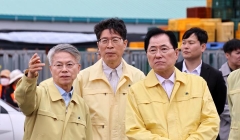
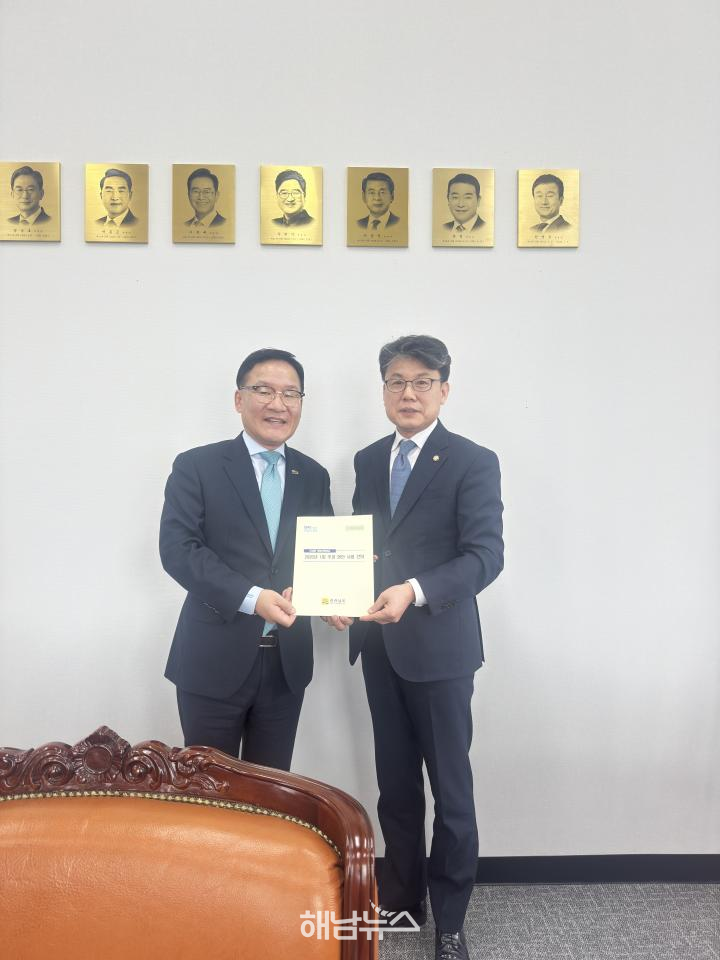 진성준 예결위원장 면담 / 사진제공=전라남도 |
전라남도가 고유가로 인한 민생 위기를 막기 위한 ‘재정 방어선’을 구축했다. 다만, 전남·광주 행정통합 등 핵심 현안이 반영되지 못하면서 “성과와 한계가 공존하는 추경”이라는 평가가 나온다.
전라남도는 10일 국회 본회의를 통과한 2026년 제1회 추가경정예산에서 민생안정 관련 예산 2천856억 원을 확보했다고 밝혔다. 이는 당초 정부안보다 대폭 증액된 규모다.
이번 추경은 총 26조 2천억 원 규모로 편성됐으며, 고유가 대응과 국민 생활 안정을 위한 ‘직접 지원형 민생 예산’에 초점이 맞춰졌다.
■ 고유가 직격탄 막는다… 3천577만 명 지원
핵심 사업으로는 소득 하위 70% 약 3천577만 명을 대상으로 1인당 10만~60만 원을 지급하는 피해지원금이 포함됐다.
또한 농어업 분야의 유류비 부담 완화를 위한 지원책이 대거 반영되며 실질적 체감 효과를 높였다는 분석이다.
■ 전남 확보 예산 2,856억… 농어민·현장 중심 반영
전남도가 확보한 주요 사업은 다음과 같다.
고유가 피해지원금 2,431억 원, 어업인 면세경유 유가연동보조금 153억 원, 연안화물선 유류비 보조 67억 원, 지역산업 위기 대응 35억 원, 시설농가 면세유 유가연동 보조금 19억 원, 무기질비료 가격보조 및 수급안정 22억 원, 농기계 3종 면세경유 유가연동 보조금 79억 원, 특히 이번 추경의 가장 큰 성과는 농기계 유류비 지원 확대다.
당초 정부안에는 시설농가 중심의 546억 원만 반영됐지만, 전남도는 영농철 현실을 반영해 경운기 등 농기계까지 지원이 필요하다는 점을 국회 심의 과정에서 강하게 건의했다.
그 결과 약 2천억 원이 추가 반영되며 농어민의 실질적 부담 완화로 이어졌다는 평가다.
■ “핵심 빠졌다”… 행정통합 예산 미반영
그러나 전남·광주 행정통합 준비 비용 등 지역 핵심 현안은 이번 추경에 포함되지 않았다.
전남도는 국회 심의 과정에서 관련 예산 반영을 지속적으로 요청했지만, 이번 추경이 중동 정세에 따른 고유가 대응 등 ‘직접 피해 지원’ 중심으로 편성되면서 지역 맞춤형 사업은 대부분 제외됐다.
이에 따라 전남도는 향후 광주시와 협력해 행정안전부에 특별교부세 지원을 건의하고, 부족 재원은 예비비 등을 통해 확보하는 방안을 추진할 계획이다.
■ “속도전이 관건”… 체감형 집행 총력
제갈래원 전남도 예산담당관은 “이번 추경은 고유가와 민생 위기 대응이라는 점에서 의미가 크지만, 지역의 절박한 현안을 담기에는 한계가 있었다.”며 “확보된 예산을 신속히 집행해 도민이 체감할 수 있는 민생 안정과 지역경제 회복에 총력을 기울이겠다.”고 밝혔다.
이번 추경은 분명 ‘민생 방어’에는 성공했지만, 전남·광주 통합이라는 미래 과제를 담지 못했다는 점에서 ‘절반의 성과’라는 평가를 피하기 어려워 보인다.
【Jeonnam = Haenam News】 haenamnews@kakao.com
“Soaring Fuel Prices Held at Bay”… Jeonnam Secures KRW 285.6 Billion in Supplementary Budget to Build ‘Livelihood Defense Line’
Subtitle: Expanded Fuel Support to Farm Machinery a Key Gain… Administrative Integration Budget Omitted, Seen as a “Half-Finished Supplementary Budget”
Jeollanam-do has established a “fiscal defense line” to counter the impact of soaring fuel prices on livelihoods. However, the absence of funding for key regional issues such as the administrative integration of Jeonnam and Gwangju has led to assessments that the supplementary budget reflects both achievements and limitations.
According to the provincial government, KRW 285.6 billion in livelihood stabilization funds was secured in the first supplementary budget of 2026, which was passed by the National Assembly plenary session on the 10th. This marks a significant increase from the initial government proposal.
The supplementary budget totals KRW 26.2 trillion and is primarily focused on direct support measures to respond to high fuel prices and stabilize public livelihoods.
■ Blocking the Direct Impact of High Fuel Prices… 35.77 Million People to Receive Support
A key component of the budget is direct relief payments to approximately 35.77 million people, representing the bottom 70% of income earners, with each individual receiving between KRW 100,000 and KRW 600,000.
In addition, extensive support measures aimed at reducing fuel costs in the agriculture and fisheries sectors are expected to enhance tangible benefits for residents.
■ KRW 285.6 Billion Secured… Focus on Farmers and Field Needs
The main projects secured by Jeonnam include:
KRW 243.1 billion for high fuel price relief payments
KRW 15.3 billion for tax-free diesel-linked subsidies for fishermen
KRW 6.7 billion for coastal cargo vessel fuel subsidies
KRW 3.5 billion for regional industry crisis response
KRW 1.9 billion for fuel subsidies for facility-based farms
KRW 2.2 billion for fertilizer price stabilization and supply support
KRW 7.9 billion for fuel subsidies for three types of agricultural machinery
Notably, the expansion of fuel subsidies to agricultural machinery stands out as the most significant achievement of this supplementary budget.
While the initial government proposal included only KRW 54.6 billion focused on facility-based farms, Jeonnam actively advocated during National Assembly deliberations for broader support reflecting the realities of the farming season, including machinery such as cultivators.
As a result, approximately KRW 200 billion was additionally secured, leading to substantial relief for farmers and fishermen.
■ “Key Issues Missing”… Administrative Integration Budget Not Included
However, key regional priorities, including preparation costs for the administrative integration of Jeonnam and Gwangju, were not reflected in this supplementary budget.
Despite continuous efforts by the provincial government to include such funding during the National Assembly review process, the budget remained focused on direct damage support related to Middle East tensions and high fuel prices, leaving most region-specific projects excluded.
Jeonnam plans to work with Gwangju to request special grants from the Ministry of the Interior and Safety, while also exploring alternative funding sources such as reserve funds.
■ “Speed is Critical”… All-Out Effort for Rapid, Tangible Execution
Jegal Rae-won, Director of Budget at Jeonnam Province, stated:
“This supplementary budget is meaningful in addressing high fuel prices and livelihood crises, but it had limitations in accommodating urgent regional issues. We will focus on swift execution so that residents can directly feel the impact in terms of livelihood stability and economic recovery.”
While the supplementary budget has clearly succeeded in defending livelihoods, it is difficult to avoid the assessment that it represents only a “half-achievement,” as it failed to incorporate the future-oriented agenda of Jeonnam–Gwangju integration.
 해남뉴스 박충배 편집 및 논설위원 haenamnews@kakao.com