2026.02.25 (수) 08:04




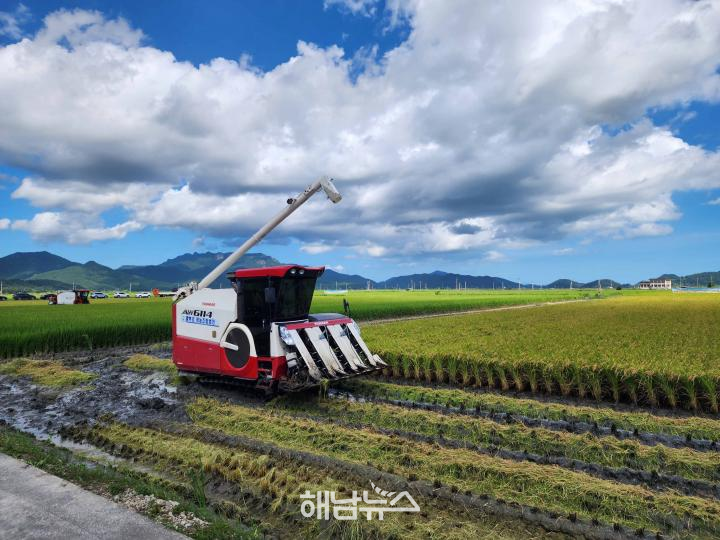 쌀 적정 생산·기후 대응 ‘총력전’/ 사진제공=전라남도 |
전라남도가 전국 식량작물 생산량의 20%를 책임지는 최대 생산 기반을 토대로, 농업인 경영안정과 쌀 적정 생산, 농업재해 대응력 강화를 위해 올해 식량산업 분야에 역대 최대 규모인 9천59억 원을 투입한다.
이는 단순한 예산 확대를 넘어, 가격 경쟁력과 기후 대응력을 동시에 끌어올려 ‘식량주권’을 지키겠다는 전략적 투자로 해석된다.
전남은 2024년 한 해 전국 식량작물 생산량 419만 톤 가운데 84만 1천 톤을 생산해 전국 1위를 기록했다. 충남(75만 6천 톤), 전북(66만 3천 톤), 경북(53만 3천 톤), 경기(41만 톤)가 뒤를 이었다. 전국 식량 생산의 ‘5분의 1’을 책임지는 핵심 축이 바로 전남인 셈이다.
특히 전남도는 지난해 전국 최대 규모의 벼 재배면적 감축을 통해 쌀값 상승을 견인했고, 벼 깨씨무늬병을 농업재해로 인정받는 성과도 거뒀다.
수급 안정과 재해 대응이라는 두 축에서 실질적 성과를 냈다는 평가다.
■ 경영안정 5천463억… 농업 소득 안전망 강화
올해는 농업인 경영안정 분야에 5천463억 원을 집중 투입한다.
공익직불제 4천680억 원, 벼 경영안정대책비 570억 원, 무기질 비료 가격안정 지원 99억 원 등 4개 사업이 핵심이다.
공익직불제를 중심으로 한 소득 안전망 강화와 생산비 부담 완화는 농가의 체감도를 높이는 직접 지원책으로 작용할 전망이다.
■ 쌀 적정 생산 1천54억… 전략작물 전환 가속
쌀 과잉을 막고 구조적 수급 안정을 도모하기 위해 전략작물 중심의 재편도 본격화한다.
논콩·수급조절용 벼 등 전략작물 직불금 806억 원, 두류·밀·감자 산업화 지원 175억 원, 논 타작물 재배 지원 30억 원 등 9개 사업에 1천54억 원을 투입한다.
이는 단순 감산이 아닌 ‘품목 다변화’를 통한 농가 소득 구조 개선 전략으로 풀이된다.
■ 재해 대응 2천32억… 기후위기 선제 방어
기후변화로 잦아진 이상기후에 대비해 재해 대응 예산도 대폭 강화했다.
농작물 재해보험 1천864억 원, 농업인 안전보험 153억 원, 벼 모판 단계 방제비 9억 원 등 4개 사업에 2천32억 원을 지원한다.
사전 예방과 보험 체계를 동시에 강화해 ‘재해 이후 보전’이 아닌 ‘재해 이전 대응’ 중심으로 전환하겠다는 구상이다.
■ 농업 기계화 510억… 생산비 절감 승부수
농업 기계화 촉진과 규모화·공동영농 확산에도 속도를 낸다.
다목적 소형 농기계 168억 원, 대규모 단지 시설·장비 지원 129억 원, 공동영농 확산 지원 8억 원 등 15개 사업에 510억 원을 신규 반영했다.
이는 노동력 감소와 고령화에 대응하는 동시에, 생산비 절감을 통한 가격 경쟁력 확보 전략으로 평가된다.
유덕규 전남도 농축산식품국장은 “현장 목소리를 반영해 사업을 확대하고 신규 사업을 발굴한 만큼 식량산업 경쟁력이 한층 강화될 것으로 기대한다.”며 “쌀을 비롯해 밀·콩 등 주요 작물의 생산기반 확충과 재해 대응을 중점 추진해 농업인 소득 증대와 경영안정 실현에 최선을 다하겠다.”고 밝혔다.
전남의 이번 9천59억 원 투입은 단순한 농정 집행이 아니다.
전국 식량 생산 20%를 책임지는 지역의 사명감이자, 기후위기 시대 대한민국 식량안보를 지키는 전초기지 선언이다.
[Jeonnam = Haenam News] haenamnews@kakao.com
“Jeonnam, Responsible for 20% of National Output, Safeguards Food Sovereignty with ₩905.9 Billion Investment”
₩468 Billion for Public Direct Payments · ₩186.4 Billion for Crop Insurance… All-Out Drive for Rice Supply Management and Climate Response
Jeollanam-do Province will invest a record-high ₩905.9 billion this year in the food industry sector to stabilize farm management, ensure optimal rice production, and strengthen agricultural disaster response capacity. The province accounts for 20% of the nation’s total food crop production, the largest share nationwide.
This move goes beyond a simple budget increase. It is widely interpreted as a strategic investment aimed at strengthening both price competitiveness and climate resilience to safeguard national food sovereignty.
In 2024, Jeonnam produced 841,000 tons out of the nation’s total 4.19 million tons of food crops, ranking first nationwide. It was followed by Chungnam (756,000 tons), Jeonbuk (663,000 tons), Gyeongbuk (533,000 tons), and Gyeonggi (410,000 tons). In effect, Jeonnam serves as the core pillar responsible for one-fifth of Korea’s total food production.
Last year, Jeonnam achieved tangible results on two major fronts: supply stabilization and disaster response. The province led the nation in reducing rice cultivation acreage, contributing to a rebound in rice prices, and succeeded in having rice “seedling blight (dirty panicle disease)” officially recognized as an agricultural disaster.
■ ₩546.3 Billion for Farm Management Stability… Strengthening the Agricultural Income Safety Net
This year, ₩546.3 billion will be allocated to enhance farm income stability.
Key programs include:
₩468 billion for the Public Direct Payment Program
₩57 billion for Rice Farm Management Stabilization Measures
₩9.9 billion for Mineral Fertilizer Price Stabilization Support
Centered on direct payments, these measures are expected to provide tangible relief to farmers by reinforcing income safety nets and easing production cost burdens.
■ ₩105.4 Billion for Optimal Rice Production… Accelerating Strategic Crop Diversification
To prevent rice oversupply and promote structural supply-demand stability, the province will accelerate its shift toward strategic crops.
A total of ₩105.4 billion will be invested across nine programs, including:
₩80.6 billion in direct payments for strategic crops such as soybeans grown in paddy fields and supply-control rice
₩17.5 billion to support industrialization of beans, wheat, and potatoes
₩3 billion to encourage alternative crop cultivation in paddy fields
This approach represents not merely production cuts, but a broader strategy to diversify crop portfolios and improve farm income structures.
■ ₩203.2 Billion for Disaster Preparedness… Proactive Climate Defense
In response to increasingly frequent extreme weather events caused by climate change, disaster preparedness funding has been significantly expanded.
A total of ₩203.2 billion will be allocated to:
₩186.4 billion for Crop Disaster Insurance
₩15.3 billion for Farmer Safety Insurance
₩0.9 billion for pest control support at the rice seedling stage
The province aims to shift from post-disaster compensation to a proactive prevention and insurance-based system.
■ ₩51 Billion for Agricultural Mechanization… Cutting Production Costs
Jeonnam will also invest ₩51 billion in 15 projects to promote mechanization and strengthen competitiveness.
Major allocations include:
₩16.8 billion for multi-purpose small agricultural machinery
₩12.9 billion for large-scale production complex facilities and equipment
₩0.8 billion to expand cooperative farming initiatives
These efforts aim to address labor shortages and aging demographics while securing price competitiveness through reduced production costs.
Yoo Deok-gyu, Director General of the Agriculture, Livestock and Food Bureau of Jeollanam-do, stated,
“By expanding programs and launching new initiatives reflecting on-site voices, we expect to further strengthen the competitiveness of the food industry. We will focus on expanding production bases for key crops such as rice, wheat, and soybeans, and on enhancing disaster response to increase farmers’ income and ensure stable management.”
Jeonnam’s ₩905.9 billion investment is not merely an administrative budget execution. It is a declaration of responsibility from a province that produces 20% of the nation’s food supply—serving as a frontline guardian of Korea’s food security in the era of climate crisis.
 해남뉴스 박충배 편집 및 논설위원 haenamnews@kakao.com