2025.12.13 (토) 09:24




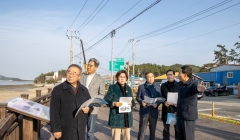
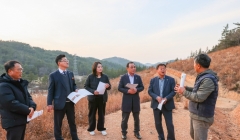
 대흥사 두륜산 만일재에서 / 사진제공=해남뉴스 |
박충배 편집‧칼럼‧논설
〈특집 기획〉
■ 리드(Lead)
한반도 최남단, 바다로 미끄러지듯 내려가는 백두대간의 마지막 품 안에 자리한 두륜산 대흥사.
우리는 이곳을 흔히 “남도의 큰 절”, “조계종 제22교구 본사”로 소개하지만, 1633년의 한 줄 기록은 전혀 다른 이름을 조용히 들려준다.
“崑崙山 大芚寺(곤륜산 대둔사)”
조선의 한 사찰이 스스로를 ‘곤륜산’이라 명명했던 순간,
대흥사는 더 이상 남도의 한 사찰이 아니라 조선불교의 세계관을 다시 그린 정신의 성산(聖山)이 된다.
Ⅰ. 한반도 최남단에 내려앉은 ‘영산(靈山)’ — 두륜산과 대흥사
1. “용이 바다로 뛰어드는 형국”… 지리 속에 숨어 있는 상징
해남군 삼산면 구림리 799번지.
지도를 펼쳐보면 남쪽 끝으로 뻗은 산줄기 하나가 거대한 용의 몸처럼 굽이치며 바다를 향해 떨어진다.
백두대간의 영맥은 소백산맥과 지리산, 영암 월출산을 지나 마침내 두륜산에서 마지막으로 고개를 든 뒤, 땅 끝 마을과 한반도 남해로 스며든다.
두륜산은 전통 풍수에서 연꽃잎이 활짝 핀 ‘팔엽연화형(八葉蓮華形)’,
불교적으로는 화엄의 세계관이 내려앉은 ‘영산(靈山)’으로 해석된다.
바로 그 산자락, 거대한 연꽃의 심장에 대흥사가 자리하고 있다.
2. 신라 진흥왕의 창건, 조선 후기에 되살아난 이름 ‘대흥사’
대흥사는 신라 진흥왕 5년, 아도화상이 창건한 것으로 전해진다.
세월 속에서 이름도 바뀌어 한때는 대둔사(大芚寺)로 불렸으나, 각종 사료를 거치며 오늘날의 ‘대흥사(大興寺)’로 정착했다.
조선 후기에 이르러, 대흥사는 13대 종사(大宗師), 13대 강사(大講師)
를 배출한 인재의 산실이자, 억불정책 속에서도 한국불교의 맥을 지켜낸 “정신의 근본 도량”으로 우뚝 섰다.
현재는 대한불교 조계종 제22교구 본사로서 해남·목포·영암·무안·신안·진도·완도 등 8개 시군의 말사를 관할하며 옛 31본산 체계를 잇는 중요한 종단 중심지다.
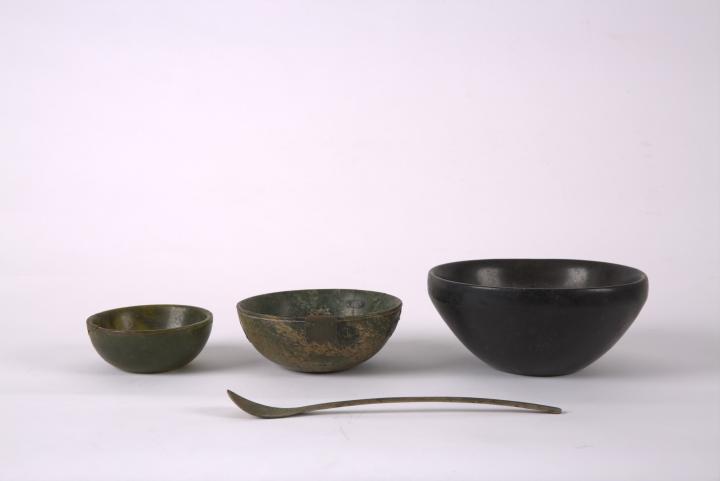 서산대사 발우 / 사진제공=해남뉴스 |
Ⅱ. “서산대사의 의발이 머문 곳” — 조선불교의 심장으로
1. 임진왜란 이후, 대흥사가 바뀌었다
한국불교사에서 대흥사가 갖는 특별한 위상은 무엇보다 서산대사(休靜)와 깊은 인연에서 비롯된다.
임진왜란 당시 승군을 이끌고 나라를 지켜낸 서산대사는, 전쟁이 끝난 뒤 자신의 의발(衣鉢)을 대흥사에 전했다.
이는 단순한 기념이 아니라, “이곳을 조선불교 재건의 근본 도량으로 삼겠다.”는 상징적 선언에 가까웠다.
그 뒤를 이어 풍담, 초의, 범해로 이어지는 종사와 강사들은 억불의 시대에 교학과 수행, 호국과 문화의 균형을 구현한 지도자들이었다.
2. “조선불교의 마지막 불씨”가 된 남도 도량
조선 후기 불교는 왕실과 관료사회에서 배제되고, 산중에서만 겨우 명맥을 유지하던 시기였다.
그럼에도 대흥사는 승군 정신의 계승, 선·교학의 종합, 문화·예술의 중심 기능을 통해 “조선불교의 마지막 불씨” 역할을 했다.
오늘 우리가 “한국불교”를 말할 수 있는 배경 한가운데, 두륜산 대흥사가 놓여 있다 해도 과언이 아니다.
Ⅲ. 두륜산에 새겨진 ‘불교문화의 박물관’
1. “한 사찰이 곧 한 박물관” — 문화재의 밀도
대흥사의 가람과 산내 암자에 들어서면 단순한 사찰이 아니라 살아 있는 불교문화사박물관에 들어선 듯한 인상을 받게 된다.
국보 제308호 북미륵암 마애여래좌상
보물 제88호 탑산사 동종
보물 제301호 북미륵암 삼층석탑
보물 제320호 응진전 삼층석탑
전남유형문화재 제48호 천불전, 제52호 천불상
전남유형문화재 제93호 용화당, 제94호 대광명전
전남유형문화재 제166호 서산대사 유물, 제167호 정조 친필 서산대사 화상당명
전남유형문화재 제179호 관음보살도
전남기념물 제19호 표충사 뿐만 아니라, 서산대사를 비롯한 여러 명승의 부도와 탑, 이광사·김정희·이삼만 등 조선 서예사·문인문화의 정점이 남긴 현판까지 한 도량 안에서 서로를 비추며 서 있다.
불교사·건축사·미술사·서예사·풍수지리를 동시에 공부할 수 있는 입체적 문화장(文化場)이 바로 대흥사다.
Ⅳ. “1633년, 대흥사는 곤륜산이었다” — 한 줄 간기가 바꾼 세계관
이번 특집의 핵심은 바로 이 대목이다.
대흥사 성보박물관 수장고에 보관된 『묘법연화경(妙法蓮華經)』 경책의 간기(刊記) 일부에는 다음과 같은 문구가 확인된다(복원 형태).
崇禎六年 癸酉 孟夏月
崑崙山 大芚寺 開刊
겉으로만 보면
“숭정 6년(1633) 여름, 곤륜산 대둔사에서 경을 간행했다.”는 평범한 기록처럼 보인다.
하지만 여기에는 결정적인 포인트가 숨어 있다.
1. “곤륜산에 있는 대둔사”가 아니라, “곤륜산 대둔사”였다
간기 문장의 구조를 자세히 보면, “崑崙山 大芚寺”는 ‘곤륜산에 있는 대둔사’가 아니라 “곤륜산이라 불리는 대둔사”에 더 가깝다.
곤륜산(崑崙山) : 동아시아가 공유하는 ‘우주의 중심, 성인의 산’
대둔사(大芚寺) : 오늘날 대흥사의 당시 명칭
다시 말해, 조선의 한 사찰이 스스로를 ‘곤륜산’ 급의 성산(聖山)으로 선언한 셈이다.
2. 왜 하필 1633년이었나 — 서산대사 이후의 ‘정체성 선언’
1633년은 인조 11년으로, 임진왜란이 끝난 뒤 약 30여 년이 지난 시점이다.
서산대사의 법맥과 승군의 기억이 대흥사에 본격적으로 정리·집중되던 시기이기도 하다.
이때 대흥사가 ‘곤륜산’이라는 이름을 사용했다는 것은, “조선불교의 정통과 재건의 축(軸)은 여기서 다시 선다.”는 집단적 자기 인식이 간기 한 줄 속에 농축된 것으로 읽힌다.
Ⅴ. 풍수와 사상 속에서 다시 보는 ‘곤륜산 대흥사’
1. 곤륜과 두륜, 두 ‘성산’의 겹침
중국 전통에서 곤륜산은 만 산맥의 근원, 천지의 중심이다.
조선 풍수에서 두륜산은 백두대간이 남쪽에서 마무리되는 자리이자, 팔엽연화형의 영산이다.
이를 대응시켜 보면, 곤륜산(중국 전통) 두륜산·대흥사(조선 풍수), 천지의 중심, 남도 영산의 중심, 만 산맥의 근원, 백두대간 남방 종지부, 신선·성인의 거처 선승·종사·강사가 배출된 도량.
즉, 대흥사의 ‘곤륜산 명명’은 지형적 위상과 도량의 역사적 역할을 겹쳐 해석한 지리 철학적 선언이었다.
2. 동아시아 사상지형 속 “조선의 곤륜산”
동아시아에서 곤륜산을 차용한다는 것은, 사실상 중국 문명권의 핵심 상징을 가져와 자기 정체성의 무대로 삼는 행위다.
조선 불교계 내부에서는 이 명명이 “외부의 억압 속에서도 불교 문명의 중심은 우리에게 있다.”
“조선불교의 재건 축(軸)은 대흥사다.”
“두륜산은 성산(聖山)의 계보를 잇는 영산이다.” 라는 메시지로 받아들여졌을 가능성이 크다.
3. 초의·추사 이전, 200년 앞선 ‘정신사적 프롤로그’
우리가 잘 아는 초의선사(草衣)와 추사 김정희, 그리고 차 문화·문인 문화의 황금기는 18~19세기 대흥사에서 꽃피었다.
그러나 1633년의 ‘곤륜산 대둔사’ 명명은 그보다 200년 가까이 앞서, “이 도량은 조선불교·조선정신의 중심축이 되겠다.”는 정신사적 프롤로그를 미리 써놓은 사건이었다고 볼 수 있다.
Ⅵ. 오늘, 대흥사가 우리에게 던지는 질문
대흥사는 화려한 과거만을 이야기하는 공간이 아니다.
천불전의 천불상이 전하는 신심(信心)의 밀도, 표충사에 서린 호국의 기억, 서산대사 부도와 유물이 증언하는 시대의 리더십, 초의·추사·명필 현판이 들려주는 문화의 품격까지 이 모든 것이 오늘을 사는 우리에게 묻고 있다.
“정신을 잃은 시대에, 우리는 무엇을 지켜야 하는가.”
“나라가 위기를 맞을 때, 누가 중심을 잡아야 하는가.”
대흥사가 한때 자신을 ‘곤륜산’이라 불렀던 용기는, 어쩌면 지금 우리 사회가 가장 필요로 하는 태도일지 모른다.
외부의 평가에 매달리기보다,
스스로에게 묻고 스스로 중심을 세우는 힘 말이다.
Ⅶ. 맺음말 — ‘곤륜산 대흥사’, 한국정신의 좌표를 다시 세우다
1633년 『묘법연화경』 간기 한 줄에 남은 “崑崙山 大芚寺(곤륜산 대둔사)”라는 기록은, 단순한 옛 이름이 아니라 한국불교의 자의식이 바뀌는 장면을 포착한 사상사적 사건이다.
그것은 곧, 대흥사는 조선불교 재건의 중심 도량이다.
두륜산은 영산(靈山)이며, 곤륜의 성격을 지닌 신성 지형이다.
조선 불교계는 세계관의 중심을 스스로에게 되돌리려 했다.
조선 후기 정신·문화 부흥의 출발점은 이미 17세기부터 준비되고 있었다라는 사실을 조용히 증언한다.
대흥사를 다시 본다는 것은, 한 사찰을 관광지처럼 소비하는 일이 아니라 한국 정신사의 좌표를 다시 그리는 작업이다.
그리고 그 좌표는 오늘도 두륜산 자락에서 우리에게 이렇게 말하고 있다.
“영혼의 중심을 잃지 말라. 그 중심을 지키는 힘이 곧 나라의 힘이다.”
 대흥사 부도전 / 사진제공=해남뉴스 |
[Haenam = Haenam News] haenamnews@kakao.com
Park Chung-bae
Editor · Columnist · Editorial Writer
〈Special Feature〉
The Shadow of Kunlun Settled on Duryunsan
Re-reading Daeheungsa Temple as “Kunlun-san Daedunsa,” the Monastery that Raised the Spirit of Korean Buddhism
■ Lead
At the southernmost tip of the Korean Peninsula, nestled in the last embrace of the Baekdu-daegan mountain range as it slides toward the sea, stands Duryunsan’s Daeheungsa Temple.
We usually introduce this place as “the great temple of Namdo,” or as “the 22nd diocesan head temple of the Jogye Order.”
But a single line written in 1633 softly tells us a very different name:
“崑崙山 大芚寺 (Kunlun-san Daedunsa)”
The moment when a Joseon-era temple chose to call itself “Kunlun-san”,
Daeheungsa ceased to be merely a regional temple of the south and became a sacred mountain of the mind, a place that redrew the entire worldview of Joseon Buddhism.
I. A Sacred Mountain at the Southern Edge of the Peninsula — Duryunsan and Daeheungsa
1. “A dragon leaping into the sea” — the symbol hidden in the landscape
Sam-san-myeon, Gurim-ri 799, Haenam-gun.
Spread open a map and you will see a single ridgeline stretching southward, curling like the body of a giant dragon and plunging toward the sea.
The spiritual vein of the Baekdu-daegan mountain system passes through the Sobaek range, Jirisan, and Yeongam’s Wolchulsan, then finally lifts its head one last time at Duryunsan before seeping into the village of Ttangkkeut (“Land’s End”) and the southern seas of the Korean Peninsula.
In traditional geomancy, Duryunsan is interpreted as a “paleop yeonhwa-hyeong (八葉蓮華形)”, an eight-petaled lotus fully in bloom.
From a Buddhist perspective, it is understood as a “yeongsan (靈山),” a sacred mountain upon which the Huayan worldview has descended.
And it is at the heart of this great lotus, on the flank of this mountain,
that Daeheungsa Temple is seated.
2. Founded under King Jinheung, revived in Joseon under the name “Daeheungsa”
Daeheungsa is said to have been founded in the 5th year of King Jinheung of Silla by the monk Ado.
Over the centuries its name changed, and for a time it was called Daedunsa (大芚寺).
However, as various historical records accumulated, the name eventually settled as “Daeheungsa (大興寺)”, the one we use today.
By the late Joseon period, Daeheungsa had become a crucible of talent, producing
13 Great Patriarchs (大宗師) and 13 Great Lecturers (大講師).
It firmly stood as a “fundamental spiritual monastery” that preserved the lifeblood of Korean Buddhism even in the midst of harsh anti-Buddhist policies.
Today, as the 22nd diocesan head temple of the Jogye Order of Korean Buddhism,
Daeheungsa oversees temples in eight cities and counties—Haenam, Mokpo, Yeongam, Muan, Shinan, Jindo, Wando, and more—continuing the legacy of the former system of 31 head temples and serving as a key hub of the order.
II. “Where Seosan’s Robe and Bowl Came to Rest” — The Heart of Joseon Buddhism
1. After the Imjin War, Daeheungsa was transformed
Daeheungsa’s special status in the history of Korean Buddhism stems above all from its deep connection with Seosan Daesa (Great Master Hyujeong, 休靜).
Leading monastic armies during the Japanese invasions of 1592–1598, Seosan defended the nation. After the war, he entrusted his robe and bowl (uibal, 衣鉢) to Daeheungsa.
This was not a mere commemorative act; it was closer to a symbolic declaration:
“This place shall be the root monastery for the reconstruction of Joseon Buddhism.”
The patriarchs and lecturers that followed—Pungdam, Choui, Beomhae and others—
became leaders who realized a balance of doctrine and meditation, defense of the nation and cultivation of culture in an age hostile to Buddhism.
2. A southern monastery that became “the last ember of Joseon Buddhism”
Late Joseon Buddhism had been pushed out of the royal court and bureaucratic circles, barely maintaining its existence in remote mountain temples.
Even so, Daeheungsa played the role of “the last ember of Joseon Buddhism” by:
inheriting the spirit of the monk-soldiers,
integrating Seon (meditation) and doctrinal study,
serving as a center for culture and the arts.
It is no exaggeration to say that at the very heart of the conditions that allow us today to speak of “Korean Buddhism,”
Duryunsan’s Daeheungsa stands.
III. A “Museum of Buddhist Culture” Carved into Duryunsan
1. “One temple that is itself a museum” — the density of cultural heritage
When you enter the main compound and hermitages of Daeheungsa,
it does not feel like a mere temple. It feels as if you have stepped into a living museum of Buddhist cultural history.
National Treasure No. 308: Seated Rock-carved Buddha of Bukmireukam
Treasure No. 88: Bronze Bell of Tapsansa Temple
Treasure No. 301: Three-story Stone Pagoda of Bukmireukam
Treasure No. 320: Three-story Stone Pagoda of Eungjinjeon
Jeollanam-do Tangible Cultural Property No. 48: Cheonbuljeon (Hall of a Thousand Buddhas)
No. 52: The Thousand Buddha Statues
No. 93: Yonghwadang
No. 94: Daegwangmyeongjeon
No. 166: Relics of Seosan Daesa
No. 167: King Jeongjo’s Autograph Plaque for Seosan’s Portrait Hall
No. 179: Avalokiteshvara (Gwaneum) Painting
Jeollanam-do Monument No. 19: Pyochungsa (Shrine of Loyal Manifestation)
In addition, the stupas and pagodas of Seosan and many other eminent monks stand here, along with the temple plaques and calligraphic works of Yi Gwang-sa, Kim Jeong-hui (Chusa), Yi Sam-man and other towering figures of Joseon calligraphy and literary culture.
Daeheungsa is thus an integrated cultural arena where one can study
Buddhist history, architectural history, art history, calligraphy, and geomancy all at once.
IV. “In 1633, Daeheungsa Was Kunlun Mountain” — How One Colophon Changed a Worldview
This is the core of our special feature.
In a copy of the Lotus Sutra (妙法蓮華經, Myobeom Yeonhwagyeong) housed in the storage of the Daeheungsa Sacred Treasures Museum,
part of the colophon (kanji, 刊記) reads as follows (reconstructed):
崇禎六年 癸酉 孟夏月
崑崙山 大芚寺 開刊
On the surface, this appears to be a simple statement:
“In the sixth year of Chongzhen (1633), in early summer, this sutra was printed at Kunlun-san Daedunsa.”
However, a critical point lies hidden within this line.
1. Not “Daedunsa at Kunlun-san,” but “Kunlun-san Daedunsa”
Looking closely at the structure of the colophon,
“崑崙山 大芚寺 (Kunlun-san Daedunsa)”
is less “Daedunsa located on Kunlun Mountain” and more
“Daedunsa that is called Kunlun-san.”
Kunlun-san (崑崙山): a sacred mountain shared in the East Asian imagination as the center of the cosmos and the abode of sages
Daedunsa (大芚寺): the historical name of what is now Daeheungsa
In other words, a Joseon temple declared itself a sacred mountain on the order of “Kunlun”.
2. Why 1633? — A “declaration of identity” after Seosan
1633 is the 11th year of King Injo’s reign, about 30 years after the end of the Imjin War.
It is also the time when Seosan’s lineage and the memory of the monk-soldiers were being systematically organized and concentrated at Daeheungsa.
The fact that Daeheungsa used the name “Kunlun-san” at this juncture can be read as a condensed declaration in a single line of colophon:
“From here, the orthodox line and the axis of reconstruction of Joseon Buddhism shall stand again.”
V. Seeing “Kunlun-san Daeheungsa” Through Geomancy and Thought
1. Kunlun and Duryun, the overlap of two sacred mountains
In Chinese tradition, Kunlun-san is the source of all mountain ranges and the center of heaven and earth.
In Joseon geomancy, Duryunsan is the place where the Baekdu-daegan concludes in the south,
an eight-petaled lotus-shaped sacred mountain.
Set side by side, the correspondence looks like this:
Kunlun-san (Chinese tradition) → center of heaven and earth
Duryunsan / Daeheungsa (Joseon geomancy) → center of the sacred mountains of Namdo
Kunlun-san → source of all mountain ranges
Duryunsan → southern terminus of the Baekdu-daegan
Kunlun-san → abode of immortals and sages
Daeheungsa → monastery that produced eminent Seon masters and great patriarchs
Thus, Daeheungsa’s “Kunlun-san naming” was a geo-philosophical declaration,
overlaying the topographical status of the mountain with the historical role of the monastery.
2. “Kunlun of Joseon” in the East Asian intellectual landscape
To borrow the name “Kunlun-san” in East Asia is, in effect,
to appropriate one of the core symbols of Chinese civilization and make it the stage for one’s own identity.
Within the Joseon Buddhist community, this naming would likely have been heard as:
“Even under external oppression, the center of Buddhist civilization lies here.”
“The axis of the reconstruction of Joseon Buddhism runs through Daeheungsa.”
“Duryunsan is not just a mountain; it is a sacred mountain that inherits the lineage of holy peaks.”
3. A “spiritual prologue” written 200 years before Choui and Chusa
We are familiar with the golden age of Venerable Choui (草衣),
Chusa Kim Jeong-hui, and the flourishing of tea culture and literary circles at Daeheungsa in the 18th–19th centuries.
Yet the 1633 naming “Kunlun-san Daedunsa” predates that by nearly 200 years.
It can be seen as a spiritual prologue written in advance:
“This monastery will become the central axis of Joseon Buddhism and the spirit of Joseon.”
VI. The Questions Daeheungsa Poses to Us Today
Daeheungsa is not just a place that recounts a glorious past.
The density of faith embodied in the Thousand Buddhas of Cheonbuljeon,
The memory of patriotic sacrifice preserved in Pyochungsa,
The model of leadership for an age in crisis shown by Seosan’s stupa and relics,
The cultural dignity expressed by the plaques of Choui, Chusa, and master calligraphers—
All of these pose urgent questions to those of us living today:
“In an age that has lost its spirit, what must we protect?”
“When the nation faces crisis, who will hold the center?”
The courage of Daeheungsa, which once dared to call itself “Kunlun-san,”
may be precisely the attitude our society needs most now:
Not clinging to external evaluations,
but having the strength to question ourselves and to set our own center.
VII. Conclusion — “Kunlun-san Daeheungsa,” Resetting the Coordinates of the Korean Spirit
The record “崑崙山 大芚寺 (Kunlun-san Daedunsa)” in the 1633 colophon of the Lotus Sutra
is not merely an old name.
It captures a pivotal moment in which the self-awareness of Korean Buddhism changed—a true event in the history of ideas.
It quietly testifies that:
Daeheungsa is the central monastery for the reconstruction of Joseon Buddhism.
Duryunsan is a sacred yeongsan (靈山), a holy terrain bearing the qualities of Kunlun.
The Joseon Buddhist community sought to recentralize its worldview within itself.
The starting point of the spiritual and cultural renaissance of late Joseon was already being prepared in the 17th century.
To look again at Daeheungsa is not to consume a temple as a simple tourist spot,
but to engage in the work of redrawing the coordinates of the Korean spirit.
And from the slopes of Duryunsan, those coordinates still speak to us today:
“Do not lose the center of your soul.
The power to keep that center is the very power that sustains a nation.”
해남뉴스 박충배 편집 및 논설위원 haenamnews@kakao.com