2026.04.04 (토) 05:27




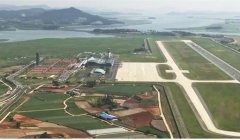
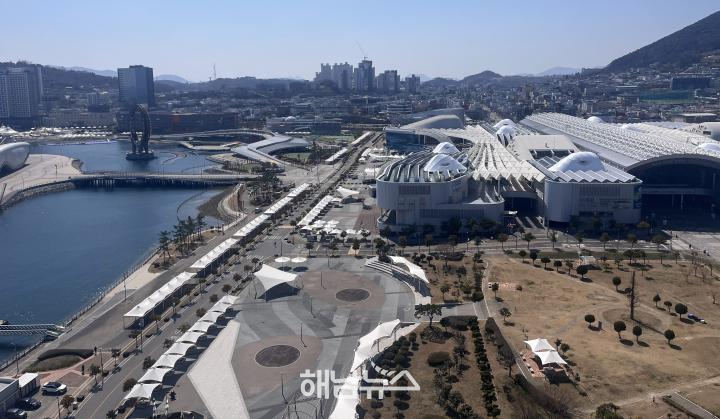 G20 유치 기본구상안 연구용역- 2026 여수세계섬박람회장 전경(주행사장) / 사진제공=전라남도 |
전라남도가 2028년 G20 정상회의 유치를 향한 본격적인 행보에 나섰다. 단순한 국제행사 유치를 넘어, 대한민국의 국가 구조와 글로벌 위상을 재정립하려는 전략적 도전이라는 점에서 이번 시도는 주목된다.
전남도는 지난 1일 ‘2028 G20 정상회의 유치 기본구상안 연구용역’ 착수보고회를 열고, 유치를 위한 핵심 아젠다와 추진 로드맵을 공식화했다.
이번 연구용역은 행사 연출 전문기업 ㈜티클모아와 함께 진행되며, 전남은 이를 통해 국제적 설득력을 갖춘 콘텐츠와 메시지 구축에 집중할 계획이다.
이번 프로젝트는 지난 2월 11일 전남도의 G20 유치 공식 선언 이후 이어지는 후속 조치로, 준비 단계에서 실행 단계로 넘어가는 분기점으로 평가된다. 특히 대통령이 G20을 지방 도시에서 개최해야 한다는 입장을 밝히면서, 기존 수도권 중심 국제행사 구조를 넘어서는 새로운 흐름이 형성된 점도 전남에 유리한 환경으로 작용하고 있다.
전남도는 이번 유치 전략의 핵심으로 ‘왜 전남이어야 하는가’에 대한 명확한 답을 제시하는 데 초점을 맞추고 있다. 이를 위해 민주주의, 에너지, 인권과 평화, K-컬처 등을 중심으로 한 5대 아젠다를 설정하고, 전남·광주가 가진 역사적·산업적·문화적 자산을 종합적으로 결합해 세계를 설득하겠다는 구상이다.
특히 민주주의 분야에서는 5·18 광주민주화운동이라는 상징성을 전면에 내세운다.
이는 단순한 역사적 사건을 넘어, 민주주의를 실제로 실천하고 지켜낸 공간이라는 점에서 국제사회에 강한 메시지를 전달할 수 있는 자산으로 평가된다.
최근 중동 정세와 러시아-우크라이나 전쟁 등으로 인해 민주주의와 인권, 평화의 가치가 다시 부각되는 상황에서, 전남·광주는 이러한 시대적 의제를 담아낼 수 있는 상징적 공간으로 자리매김하고 있다.
에너지 분야 역시 이번 유치 전략의 핵심 축이다.
전 세계가 탄소중립과 RE100 체제로 빠르게 전환되는 가운데, 전남은 444GW 규모의 재생에너지 잠재력을 보유한 지역으로 평가된다.
전남도는 이를 바탕으로 ‘에너지 전환의 실증 현장’을 제시하고, G20을 통해 글로벌 에너지 질서 논의의 중심에 서겠다는 전략을 세우고 있다.
이는 단순한 지역 산업 경쟁력을 넘어, 국제경제 의제 자체를 선도하려는 시도라는 점에서 의미가 크다.
문화 분야에서는 K-컬처의 확산 흐름을 적극 활용한다. 노벨문학상 수상 작가 한강을 비롯해 K-팝, K-푸드 등 한국 문화가 세계적으로 확산되는 상황에서, 전남·광주는 전통과 현대가 공존하는 문화적 원형을 갖춘 지역으로 평가된다.
전남도는 이를 바탕으로 ‘가장 한국적인 G20’을 구현해, 단순한 회의를 넘어 문화적 경험이 결합된 국제행사를 만들겠다는 계획이다.
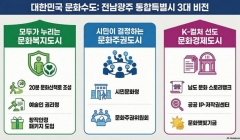
이번 G20 유치전은 오는 7월 출범 예정인 전남광주통합특별시와도 긴밀히 연결된다. 1986년 광주 분리 이후 40년 만에 이뤄진 행정통합의 성과를 국제사회에 알리고, 대한민국 균형발전의 새로운 모델을 제시하는 무대로 활용하겠다는 구상이다.
전남도는 향후 정부의 G20 개최지 공모에 대비해 아젠다를 구체화하고, 차별화된 메시지와 슬로건을 개발하는 한편, 한국적 특성을 반영한 프로그램 설계를 마무리할 계획이다.
또한 지방선거 이후 ‘특별시민 G20 유치위원회’를 출범시켜 도민 참여 기반의 유치 분위기 조성에도 나설 방침이다.
전남의 이번 도전은 단순한 행사 유치를 넘어선다.
수도권 중심 구조를 넘어 지방이 세계와 직접 연결되는 새로운 국가 모델을 실험하는 과정이기 때문이다.
2028년 G20 정상회의가 전남에서 개최된다면, 이는 하나의 이벤트가 아니라 대한민국의 미래 방향을 바꾸는 전환점으로 기록될 가능성이 크다.
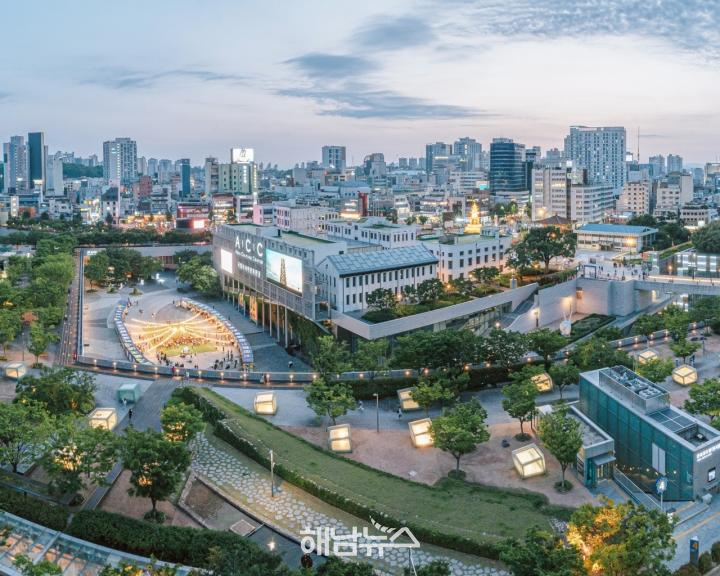 G20 유치 기본구상안 연구용역- 광주 국립아시아문화전당 전경 / 사진제공=전라남도 |
“Jeonnam Calls the World”… Full-Scale Bid Launched for the 2028 G20 Summit
【Jeonnam = Haenam News】 haenamnews@kakao.com
Jeollanam-do has officially begun its full-scale push to host the 2028 G20 Summit. More than a bid for an international event, the initiative is being framed as a strategic challenge to redefine South Korea’s national structure and elevate its global standing.
On April 1, the provincial government held a kickoff briefing for the “2028 G20 Summit Hosting Master Plan Study,” where it outlined key agendas and a strategic roadmap for the bid. The project is being carried out in collaboration with Ticlemoa Co., Ltd., a leading event production company, with a focus on developing globally compelling content and messaging.
This effort follows Jeonnam’s official declaration on February 11 to pursue the G20 Summit and marks a turning point from preparation to execution. The momentum has been further strengthened by President Lee Jae-myung’s statement emphasizing that the G20 should be hosted in a regional city, signaling a shift away from Seoul-centric international events.
At the core of Jeonnam’s strategy is a clear answer to the question: “Why Jeonnam?” The province has identified five key agendas—democracy, energy, human rights and peace, and K-culture—leveraging the combined historical, industrial, and cultural assets of Jeonnam and Gwangju to appeal to the global community.
In particular, the democratic agenda highlights the symbolic significance of the May 18 Gwangju Democratic Uprising. Beyond a historical event, it represents a place where democracy was actively defended and realized, offering a powerful message to the international community. Amid global conflicts such as tensions in the Middle East and the Russia-Ukraine war, values like democracy, human rights, and peace have regained prominence, positioning Jeonnam and Gwangju as symbolic spaces capable of embodying these ideals.
Energy is another central pillar of the bid. As the world accelerates toward carbon neutrality and RE100 standards, Jeonnam is recognized for its vast renewable energy potential, estimated at 444GW. The province aims to present itself as a “living laboratory” for energy transition, using the G20 platform to lead discussions on the future of global energy systems. This approach goes beyond regional industrial competitiveness, aspiring to shape international economic agendas.
In the cultural domain, Jeonnam plans to capitalize on the global expansion of K-culture. With internationally acclaimed figures such as Nobel Prize-winning author Han Kang, alongside the global popularity of K-pop and Korean cuisine, the region is seen as a repository of Korea’s cultural essence. Jeonnam intends to create the “most authentically Korean G20,” transforming the summit into a cultural experience rather than a conventional diplomatic event.
The G20 bid is also closely tied to the upcoming launch of the Jeonnam-Gwangju Integrated Special Metropolitan City in July. Marking the first administrative integration in 40 years since Gwangju’s separation in 1986, the summit would serve as a global stage to showcase a new model of balanced national development.
Looking ahead, Jeonnam plans to refine its agendas, develop distinctive slogans and messaging, and design programs reflecting Korean identity in preparation for the national selection process expected after June. Following the local elections, the province will also establish a “Special Citizens Committee for G20 Hosting” to build strong public support.
Jeonnam’s bid goes beyond hosting a single event. It represents an experiment in redefining a nation where regions, not just the capital, directly engage with the world. If successful, the 2028 G20 Summit in Jeonnam could become a turning point that reshapes the future trajectory of South Korea.
 해남뉴스 박충배 편집 및 논설위원 haenamnews@kakao.com