2026.04.02 (목) 19:30




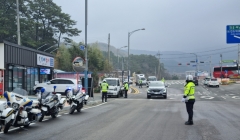
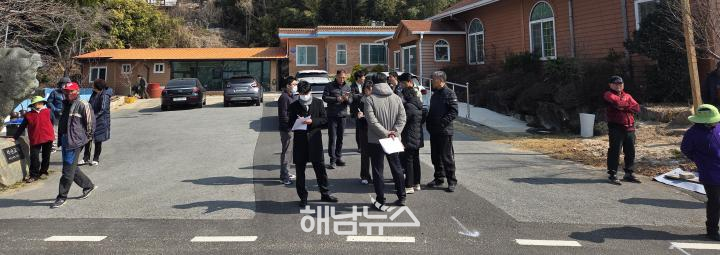 교통환경 개선사업 대상지 현장답사(보성군) / 사진제공=전라남도 |
전라남도가 ‘교통사고는 예방 가능한 재난’이라는 전제 아래, 주민이 직접 참여하는 교통환경 개선에 본격 착수했다. 단순한 시설 보강을 넘어, 지역 공동체가 직접 위험을 찾아내고 해결하는 ‘현장형 안전 혁신 모델’이 가동된 것이다.
전라남도자치경찰위원회는 2026년 ‘지역공동체 참여 교통환경 개선사업’ 대상지로 나주·고흥·보성·강진·영암·무안·영광·진도 등 8개 시군을 최종 선정했다고 밝혔다.
이번 사업은 주민이 교통사고 위험요인을 직접 발굴하고 개선 방안을 제안하는 구조로 설계된 것이 핵심이다. 지역주민, 교통안전단체, 경찰, 지자체 공무원 등 7인 이상으로 구성된 ‘지역안전주민 참여단’이 중심이 되어 사업 전 과정을 주도한다.
총사업비는 8억 원으로, 도비 30%와 시군비 70%가 투입되며, 시군별로 약 1억 원 규모의 맞춤형 개선사업이 추진된다.
선정 대상지는 ▲급커브·급경사 구간 ▲과속 빈발 지역 ▲마을 관통도로 ▲노인보호구역 등 사고 위험이 높은 지역이다.
교통 전문가로 구성된 심사단은 사업 타당성, 문제 해결 가능성, 주민 참여 수준, 기관 간 협업 체계 등을 종합 평가해 최종 대상지를 선정했다.
주요 개선 내용은 단순 보수 수준을 넘어 실질적 사고 예방에 초점을 맞췄다.
▲과속단속카메라 ▲좌회전 감응신호기 ▲태양광 소형 경광등 ▲횡단보도 정비 ▲LED 표지판 ▲도로 표지병 설치 등 보행자 중심의 안전시설이 대폭 확충된다.
특히 이번 사업은 노인·장애인 등 교통약자를 보호하는 구간 지정과 보행환경 개선을 주민 참여 기반으로 추진한다는 점에서 기존 행정 주도 방식과 차별화된다.
‘위험을 아는 사람이 직접 바꾼다’는 구조를 통해 체감 안전도를 끌어올리겠다는 전략이다.
정순관 전라남도자치경찰위원장은 “이번 사업은 행정이 아닌 주민이 주도하는 교통문제 해결 모델”이라며 “교통사고 취약지역을 선제적으로 개선해 도민이 체감하는 안전한 교통환경을 만들어가겠다.”고 밝혔다.
이번 사업은 단순한 교통시설 확충을 넘어, 지역 안전 정책의 패러다임을 ‘행정 중심’에서 ‘주민 참여형 협치 모델’로 전환하는 실험이라는 점에서 주목된다.
전남이 선택한 이 방식이 실제 사고 감소와 생명 보호라는 성과로 이어질 수 있을지, 현장의 결과가 향후 정책 확산의 기준이 될 전망이다.
“Accidents Can Be Prevented”… Jeonnam Launches ‘Life-Saving Road Innovation’ Led by Residents
8 Cities and Counties Selected, ₩800 Million Invested… Targeting High-Risk Zones with Speed Cameras and Smart Signals
【Jeonnam = Haenam News】 haenamnews@kakao.com
Jeollanam-do has officially launched a resident-led traffic environment improvement initiative based on the principle that “traffic accidents are preventable disasters.”
Moving beyond simple infrastructure upgrades, this program introduces a field-based safety innovation model in which local communities identify risks and implement solutions themselves.
The Jeollanam-do Autonomous Police Commission announced that eight cities and counties—Naju, Goheung, Boseong, Gangjin, Yeongam, Muan, Yeonggwang, and Jindo—have been selected as target areas for the 2026 “Community Participation Traffic Environment Improvement Project.”
The core of this initiative lies in its structure: residents directly identify traffic accident risk factors and propose solutions.
A “Local Safety Resident Participation Group,” composed of at least seven members—including local residents, traffic safety organizations, police officers, and government officials—will lead the entire process.
The total project budget amounts to ₩800 million, with 30% funded by the provincial government and 70% by local governments. Each selected city or county will receive approximately ₩100 million to implement customized safety improvements.
Target areas include high-risk locations such as sharp curves and steep slopes, frequent speeding zones, village roads, and senior protection zones.
A panel of traffic experts evaluated the sites based on feasibility, problem-solving effectiveness, level of resident participation, and inter-agency collaboration.
Key improvements go beyond basic maintenance and focus on practical accident prevention.
These include speed enforcement cameras, left-turn responsive traffic signals, solar-powered warning lights, crosswalk upgrades, LED signage, and road studs—significantly enhancing pedestrian safety and visibility.
Notably, the project emphasizes the designation of protection zones for vulnerable groups such as the elderly and persons with disabilities, and the improvement of pedestrian environments through a resident-driven collaboration model.
This marks a departure from traditional top-down administrative approaches.
“The idea is simple: those who know the risks best are the ones who fix them,” officials explained, aiming to significantly improve perceived and actual safety.
Jeong Sun-gwan, Chairman of the Jeollanam-do Autonomous Police Commission, stated,
“This project represents a shift from government-led to resident-led solutions in addressing traffic issues. We will continue to proactively improve accident-prone areas and create a safer traffic environment that citizens can truly feel.”
This initiative is drawing attention as a policy experiment that shifts the paradigm of regional safety governance—from administration-centered to resident-participatory collaboration.
Whether Jeonnam’s approach will lead to tangible reductions in traffic accidents and enhanced protection of lives remains to be seen, but its outcomes are expected to set a benchmark for future policy expansion.
 해남뉴스 박충배 편집 및 논설위원 haenamnews@kakao.com