2026.03.03 (화) 17:53




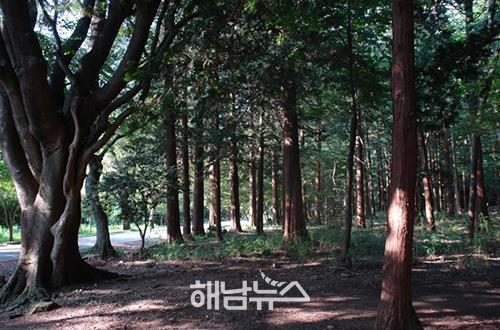 세계문화유산 대흥사 편백 숲 / 사진제공=해남뉴스 |
전라남도가 20년 이상 된 관광지의 체질을 바꾸는 ‘2026년 노후관광지 재생사업’에 40억 원을 투입한다. 단순 보수가 아닌 콘텐츠 혁신과 시설 현대화를 통해 관광 경쟁력을 끌어올리겠다는 전략이다.
도내 관광지 37개소 가운데 24개소가 지정 20년을 넘긴 상황. 낡은 전시관, 불편한 화장실, 시대에 뒤처진 체험 프로그램이 관광객 발길을 붙잡지 못한다는 지적이 이어져 왔다.
이번 사업은 시군 공모를 통해 대상지를 선정한다.
관광 전문가 평가위원회의 서면·현장 평가를 거쳐 최종 확정된다.
■ 평가 기준은 ‘매력도’와 ‘실행력’
서면평가에서는 관광지 매력도, 사업계획 적정성, 관광객 만족도 제고 방안, 주민참여도 등을 본다.
현장평가는 계획 실현 가능성, 사업 추진 의지, 지역 적합성 등이 핵심이다.
전남도는 2018년부터 재생사업을 이어왔으며, 지난해까지 21개소에 351억 원을 투입했다.
이제 남은 과제는 관광지의 질적 전환이다.
■ 해남·완도·진도… 남도 관광벨트의 승부처
이번 공모는 특히 해남·완도·진도에 중요한 분기점이 될 전망이다.
해남은 대흥사와 두륜산 권역, 땅끝 관광지 등 전통·자연 자산은 풍부하지만, 체류형 콘텐츠 확충이 숙제로 지적된다. 편백숲·템플스테이·명상 프로그램과 연계한 고급 치유관광 모델로 전환할 기회다.
완도는 청산도 슬로시티와 해양치유산업을 연결한 체험형 콘텐츠 강화가 관건이다.
기존 관광 인프라의 리뉴얼과 디지털 안내체계 도입이 필요하다.
진도는 운림산방과 진도대교, 국립남도국악원 등 문화관광 자산을 보유하고 있으나, 전시·체험 콘텐츠의 현대화와 가족 단위 체험 프로그램 확대가 요구된다.
세 지역 모두 “관광지는 있으나 소비가 머물지 않는다.”는 공통 과제를 안고 있다.
재생사업은 단순 미관 개선이 아니라 체류 시간 증가 → 소비 확대 → 지역 일자리 창출로 이어지는 구조를 만들어야 성공이다.
■ 관광은 시설이 아니라 ‘이야기 산업’
최영주 전남도 관광체육국장은 “노후관광지를 최신 관광 흐름에 맞게 정비하고 차별화된 콘텐츠를 확충하면 관광객 유입 확대와 지역 일자리 창출, 소상공인 매출 증대에 도움이 될 것”이라고 밝혔다.
결국 관건은 ‘얼마를 쓰느냐’가 아니라 ‘어떻게 바꾸느냐’다.
사진 한 장 찍고 떠나는 관광이 아니라, 머물고 소비하고 다시 찾는 관광으로 전환해야 한다.
해남·완도·진도는 전남 남해안 관광벨트의 핵심 축이다.
이번 40억 원 공모는 단순한 예산 사업이 아니라, 남도 관광의 체질을 바꾸는 시험대가 될 전망이다.
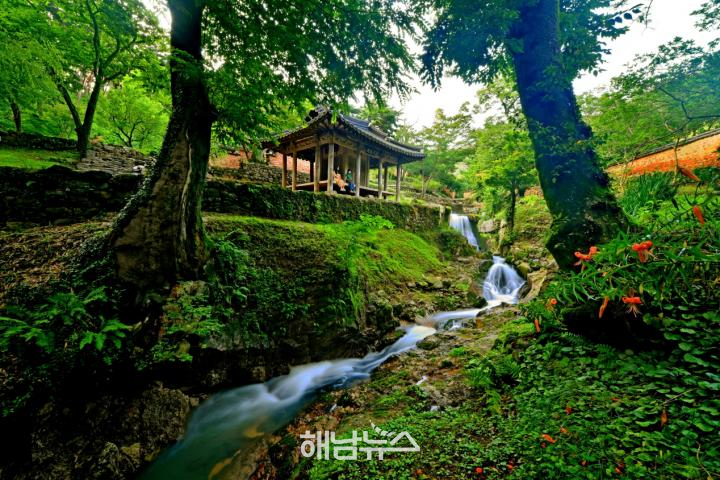 제2기 로컬100-담양 소쇄원 / 사진제공=해남뉴스 |
[Jeonnam = Haenam News] haenamnews@kakao.com
“Will We Leave 20-Year-Old Tourist Sites to Decay, or Bring Them Back to Life?”
Jeonnam Province Launches ₩4 Billion Call for Proposals to Revitalize Aging Tourist Destinations… Haenam, Wando, and Jindo at a Turning Point
Jeollanam-do Province has announced plans to invest 4 billion won (₩4 billion) in its “2026 Aging Tourist Site Revitalization Project,” aimed at fundamentally transforming tourist destinations that are more than 20 years old. The initiative goes beyond simple repairs, focusing instead on content innovation and facility modernization to enhance overall tourism competitiveness.
Of the 37 designated tourist sites in the province, 24 have exceeded 20 years since designation. Outdated exhibition halls, inconvenient restroom facilities, and experience programs that no longer reflect current tourism trends have been cited as factors failing to attract and retain visitors.
Project sites will be selected through a public call for proposals from cities and counties. Final selections will be made after both document screening and on-site evaluations conducted by a panel of tourism experts.
■ Evaluation Criteria: “Attractiveness” and “Feasibility”
The document review will assess factors such as the site’s appeal, appropriateness of the project plan, strategies to enhance visitor satisfaction, and the level of community participation.
On-site evaluations will focus on feasibility of implementation, commitment to project execution, and local suitability.
Since 2018, Jeollanam-do has continued similar revitalization efforts, investing 35.1 billion won (₩35.1 billion) in 21 sites as of last year. The remaining challenge now lies in achieving a qualitative transformation of these tourism destinations.
■ Haenam, Wando, Jindo… The Battleground of the Southern Coastal Tourism Belt
This new call for proposals is expected to serve as a critical turning point for Haenam, Wando, and Jindo in particular.
Haenam boasts rich cultural and natural assets, including Daeheungsa Temple, the Durunsan area, and the “Land’s End” tourist complex. However, expanding stay-oriented tourism content remains a key challenge. The project presents an opportunity to transition toward a premium healing tourism model linked with cypress forests, temple stays, and meditation programs.
Wando’s priority lies in strengthening experiential tourism content by connecting Cheongsando Slow City with its marine healing industry. Renewal of existing tourism infrastructure and the introduction of digital guidance systems are also needed.
Jindo, home to Unrimsanbang, Jindo Bridge, and the National Gugak Center of Namdo, possesses strong cultural tourism resources. Yet modernization of exhibition and experience programs, along with expanded family-oriented activities, has become increasingly necessary.
All three regions share a common challenge: “Tourists visit, but spending does not stay.”
The revitalization project must go beyond cosmetic improvements and establish a sustainable structure:
Longer stays → Increased spending → Local job creation.
■ Tourism Is Not About Facilities, But About Stories
Choi Young-ju, Director-General of the Jeonnam Tourism and Sports Bureau, stated, “If aging tourist destinations are upgraded in line with current tourism trends and equipped with differentiated content, it will help increase visitor inflow, create local jobs, and boost sales for small business owners.”
Ultimately, the key question is not “how much we spend,” but “how we transform.”
Tourism must evolve from snapshot visits into experiences where visitors stay longer, spend more, and return again.
Haenam, Wando, and Jindo are central pillars of Jeonnam’s southern coastal tourism belt.
This ₩4 billion revitalization initiative is not merely a budget project—it is a test of whether Southern Korea’s tourism industry can fundamentally renew itself.
 해남뉴스 박충배 편집 및 논설위원 haenamnews@kakao.com