2026.09.21 (월) 12:58




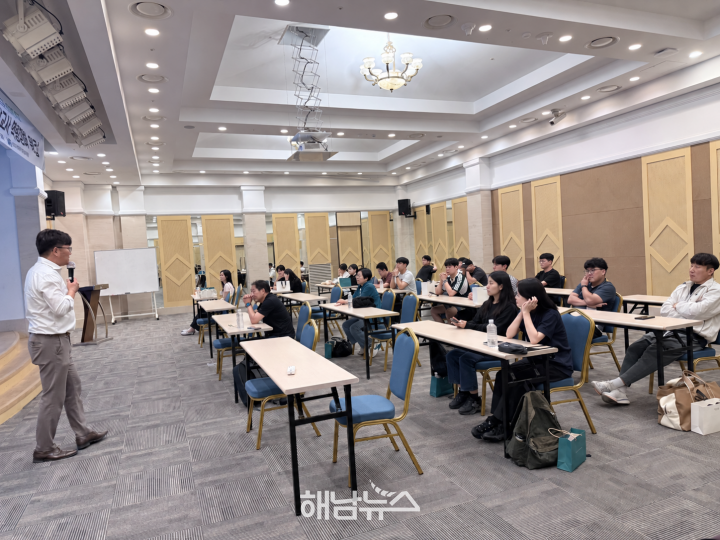 역량강화 연수 / 사진제공=해남교육지원청 |
학교폭력 대응의 무게중심이 단순한 ‘사안 처리’를 넘어 가해·피해학생의 치유와 회복, 학교생활 적응까지 아우르는 방향으로 확대되고 있다.
전남광주통합특별시해남교육지원청은 지난 17일부터 18일까지 1박 2일간 전북특별자치도 부안군 일원에서 ‘2026 학교폭력 업무 담당교사 역량강화 워크숍’을 개최했다고 21일 밝혔다.
이번 워크숍에는 관내 학교폭력 업무 담당교사와 Wee센터 전문인력, 교육지원청 관계자 등 24명이 참여했다.
교육지원청은 학교폭력 사안 처리 과정에서 실제 발생하는 다양한 쟁점을 사례를 통해 분석하고, 학교와 교육지원청 전문인력이 함께 학생 지원 방안을 찾기 위해 이번 자리를 마련했다.
특히 학교폭력을 단순히 행정 절차에 따라 처리하는 데 그치지 않고 가·피해학생의 심리·정서적 회복과 학교생활 적응까지 어떻게 지원할 것인지에 초점을 맞췄다.
■ 실제 사례 놓고 ‘학교폭력 대응’ 해법 찾았다
워크숍에서는 전북특별자치도교육청 학교폭력 담당 정재욱 주무관이 강사로 나서 타 지역에서 처리된 다양한 학교폭력 사례를 중심으로 사안별 쟁점과 처리 과정, 학교 현장에서 유의해야 할 사항 등을 설명했다.
참가자들은 실제 사례를 토대로 학교폭력 발생 이후 조사와 사안 처리 과정에서 어떤 부분을 세밀하게 살펴야 하는지 점검했다.
특히 지역별 사례와 대응 경험을 공유하면서 학교폭력 사안을 보다 객관적이고 체계적으로 처리하기 위한 실무 역량을 높이는 데 집중했다.
학교별 사례 공유 시간에는 현장의 목소리가 이어졌다.
담당교사들은 학교폭력 사안을 처리하면서 겪었던 어려움과 대응 경험을 공유했고, Wee센터 교사와 임상심리사, 사회복지사 등 전문인력도 함께 참여해 학생 지원 방안을 논의했다.
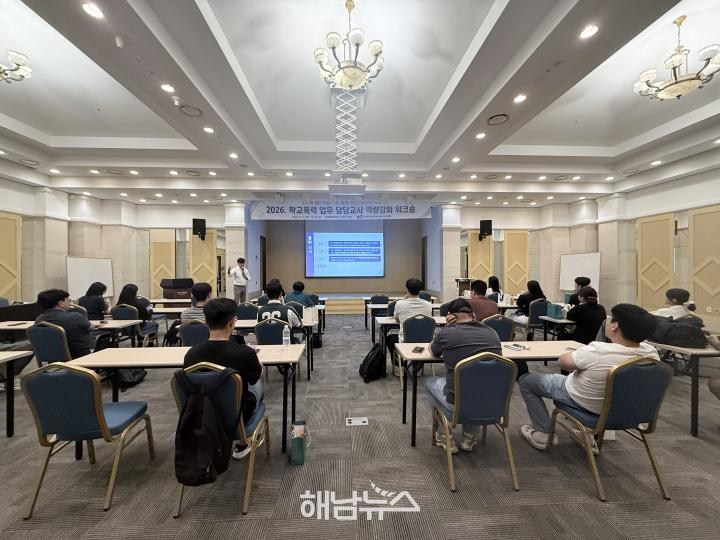 역량강화 연수 / 사진제공=해남교육지원청 |
■ 피해학생 ‘회복’까지 살핀다
논의의 핵심 가운데 하나는 학교폭력 발생 이후 학생들의 회복이었다.
참가자들은 가·피해학생의 치유와 회복을 비롯해 전문적인 치료가 필요한 학생의 연계 지원, 학교생활 지도, 심리·정서지원 방안 등을 함께 살펴봤다.
학교폭력 사안이 행정적으로 마무리됐다고 해서 학생이 겪는 갈등과 심리적 어려움까지 끝나는 것은 아닌 만큼, 학교와 Wee센터를 비롯한 전문기관의 지속적인 협력이 필요하다는 데 공감대를 형성했다.
특히 교사와 임상심리사, 사회복지사 등 서로 다른 분야의 전문인력이 각자의 경험과 전문성을 공유하면서 학생에게 필요한 지원을 적기에 제공할 수 있는 협력 기반을 강화했다.
이번 워크숍은 학교폭력 대응의 범위를 ‘사건 처리’에서 ‘학생과 학교 공동체의 회복’으로 확장했다는 점에서도 의미를 더했다.
조연주 해남교육지원청 교육장은 “학교폭력 대응은 사안을 공정하게 처리하는 것뿐만 아니라 가·피해학생의 회복과 학교 공동체의 일상 회복까지 함께 살피는 과정이어야 한다”고 강조했다.
이어 “학교와 Wee센터의 전문인력이 긴밀하게 협력해 학생에게 필요한 지원이 적기에 이루어질 수 있도록 하겠다.”고 말했다.
해남교육지원청은 앞으로 학교폭력제로센터와 Wee센터를 연계해 학교폭력 사안처리 컨설팅과 업무 담당자 역량 강화 연수를 지속적으로 추진할 계획이다.
또 학교폭력 관련 학생의 심리·정서지원과 학교 간 사례 공유를 확대해 현장 대응 역량과 학생 회복 지원체계를 함께 강화한다는 방침이다.
“School Violence Should Not End with Punishment”… Haenam Office of Education Seeks Solutions Focused on Recovery
24 teachers, Wee Center specialists and education officials participate in case-based training
Participants review key issues and procedures in handling school violence cases
Workshop focuses on healing, recovery, treatment referrals and emotional support for students
Teachers, clinical psychologists and social workers strengthen school–education office cooperation
“Fair case handling must be accompanied by the recovery of students and the school community”
School Violence Zero Center and Wee Center to expand consulting, training and student support
[HAENAM = Haenam News] haenamnews@kakao.com
Efforts to address school violence are increasingly moving beyond administrative case handling to encompass the healing and recovery of both affected and offending students, as well as their successful adjustment to school life.
The Haenam Office of Education under the Jeonnam-Gwangju Integrated Special Metropolitan City Office of Education held a two-day “2026 Capacity-Building Workshop for Teachers in Charge of School Violence Cases” from September 17 to 18 in Buan County, Jeonbuk Special Self-Governing Province.
A total of 24 participants attended the workshop, including teachers responsible for school violence cases, Wee Center professionals and officials from the Haenam Office of Education.
The workshop was organized to examine various issues that arise during the handling of school violence cases through real-world examples and to explore effective ways for schools and education office specialists to work together in supporting students.
In particular, the program focused on moving beyond administrative procedures to consider how schools can support students’ psychological and emotional recovery and help them readjust to school life.
■ Finding Solutions Through Real-World School Violence Cases
During the workshop, Jung Jae-wook, an official in charge of school violence affairs at the Jeonbuk Special Self-Governing Province Office of Education, was invited as a guest lecturer.
Using a variety of school violence cases handled in other regions, Jung explained key issues in individual cases, case-handling procedures and important considerations that schools should keep in mind.
Participants reviewed actual cases to identify areas requiring particular attention during investigations and subsequent administrative procedures.
They also shared regional cases and their own experiences in responding to school violence, strengthening their practical ability to handle cases in a more objective and systematic manner.
During the school-level case-sharing session, teachers discussed the difficulties they had encountered and the lessons they had learned while handling school violence cases.
Wee Center teachers, clinical psychologists and social workers also took part in the discussions, jointly exploring ways to provide more effective support for students.
■ Supporting the Recovery of Students Affected by School Violence
One of the central themes of the workshop was how to support students after a school violence incident.
Participants discussed ways to promote healing and recovery for both affected and offending students, connect those requiring professional treatment with appropriate services, provide guidance for school life, and offer psychological and emotional support.
They shared the understanding that even when a school violence case is administratively concluded, the conflicts and psychological difficulties experienced by students may continue. For this reason, sustained cooperation among schools, Wee Centers and other professional organizations is essential.
Teachers, clinical psychologists, social workers and other specialists shared their respective experiences and expertise, strengthening a collaborative framework designed to ensure that students receive the support they need at the appropriate time.
The workshop was also significant in expanding the scope of school violence response from simply “handling incidents” to supporting the broader recovery of students and the school community.
Cho Yeon-joo, Superintendent of the Haenam Office of Education, said, “Responding to school violence should not only be about handling cases fairly. It should also be a process of supporting the recovery of both affected and offending students and helping the entire school community return to everyday life.”
She added, “We will strengthen close cooperation between schools and Wee Center professionals so that students can receive the support they need at the right time.”
The Haenam Office of Education plans to continue providing consultations on school violence cases and capacity-building programs for staff by strengthening cooperation between the School Violence Zero Center and the Wee Center.
It also plans to expand psychological and emotional support for students involved in school violence cases, as well as case-sharing among schools, in order to strengthen both on-site response capabilities and the student recovery support system.
 해남뉴스 박충배 편집/논설 news@hbcnews.kr