2026.03.15 (일) 18:27




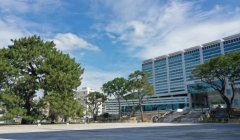
 해남군청 전경 / 사진제공=해남뉴스 |
사업은 주민 제안으로 시작돼 민·관 협의체를 구성한 뒤 공개 경쟁입찰 방식으로 사업시행자를 선정하는 절차를 거칠 예정이며, 지역 내 데이터센터(솔라시도) 수요를 일부 공급하는 역할도 맡게 된다.
사업 추진 조직과 거버넌스는 민·관협의회를 중심으로 설계됐다.
협의회는 주민대표·농업법인·지자체·도·전문가 등으로 구성되어(총 29명 구성 등), 인접 27개 마을의 참여 동의를 바탕으로 주민 이익 공유(‘햇빛연금’ 개념 등) 방안을 최우선 의제로 삼고 있다.
향후 주민 참여형 채권·펀드, 등 지역주민 우선공급·우대 구매 등 구체적 수익환원 체계가 협의회에서 결정될 전망이다.
실증연구와 파일럿 단계도 병행한다.
해남군은 산이면 간척지 내 벼 재배지 3,000㎡ 가운데 1,000㎡ 규모에 영농형 태양광을 설치해 모내기 등 재배 실증을 진행했으며, 벼·마늘·양배추 등 작목별 생육·수확·품질과 발전효율 간 상호 영향을 2025년 6월부터 2028년 5월까지 3년간 측정할 계획이다.
실증 결과는 향후 표준 가이드라인(패널 높이·차광률·식재형·관리지침)과 경제성 분석의 근거자료로 활용된다.
재원·일정·행정 절차 측면에서는 여러 난제가 남아 있다.
단지는 약 1조 원의 투입이 예상되며, 전남도와 해남군은 집적화단지 지정 신청과 인허가 일정을 조율해 2025년 단지 지정·사업시행자 확정, 2026년 본격 조성 착수라는 목표를 제시했다.
다만 대형 사업인 만큼 공개 경쟁입찰·사업시행자 선정, 토지사용 허가, 전력계통 연결 및 전력판매 계약(공급처: 솔라시도 RE100 산업단지 등) 등 행정·기술적 절차가 복합적으로 얽혀 있다.
정책·제도 환경도 변화하고 있다.
중앙정부는 농업진흥지역 외 농지에 대해 ‘타용도 일시사용허가 기간’을 기존 8년에서 23년으로 연장하고, 영농형 태양광의 정의·사업주체·사후관리 체계 등 법적 근거를 2025년까지 마련하겠다는 계획을 내놓았다.
국회 차원에서도 영농형 태양광 관련 특별법·지원법안이 논의되고 있어 제도적 불확실성 해소 여부가 사업 확산의 관건이다.
기대 효과
토지 이용 효율화: 간척지 등 유휴농지를 활용해 농업·에너지 동시 생산이 가능해진다.
지역소득 보완: 패널 발전수익을 주민에 환원하는 구조는 고령화·소멸위험 농촌의 소득 안정에 기여할 수 있다.
산업유치 연계: 솔라시도 데이터센터 등 대형 전력수요처와 연계해 지역 경제·일자리 유발 효과가 기대된다.
주요 쟁점(리스크)
인허가·행정절차: 대규모 집적화단지 지정·토지 사용 허가 과정에서 행정·법률적 이견이 생길 수 있다.
주민수용성: 주민 이익배분 방식의 투명성·실효성 확보가 관건이며, 일부 주민 반대 가능성도 상존한다.
농업 생태·생산성 영향: 패널 높이·차광률·배치에 따른 작물별 생산성·품질 영향이 불확실해 실증결과가 중요하다.
전력계통·경제성: 대량 전력 생산 시 계통 부담·송배전 설비 확보 문제와, 발전수익이 농업수익과 균형을 이루는지의 경제성 검증이 필요하다.
관건은 ‘제도적 안정성’과 ‘주민 중심의 수익배분 설계’다.
전문가들은 “실증 데이터를 바탕으로 표준기준을 만들고, 주민이 실질적 이익을 얻을 수 있는 금융·거버넌스(채권·펀드·협동조합 등)를 설계해야 성공 가능성이 높다”고 지적한다.
해남군은 민관협의회를 통해 이 같은 세부 방안을 조속히 확정하고, 실증 결과를 공개해 사업 설계에 반영한다는 계획이다.
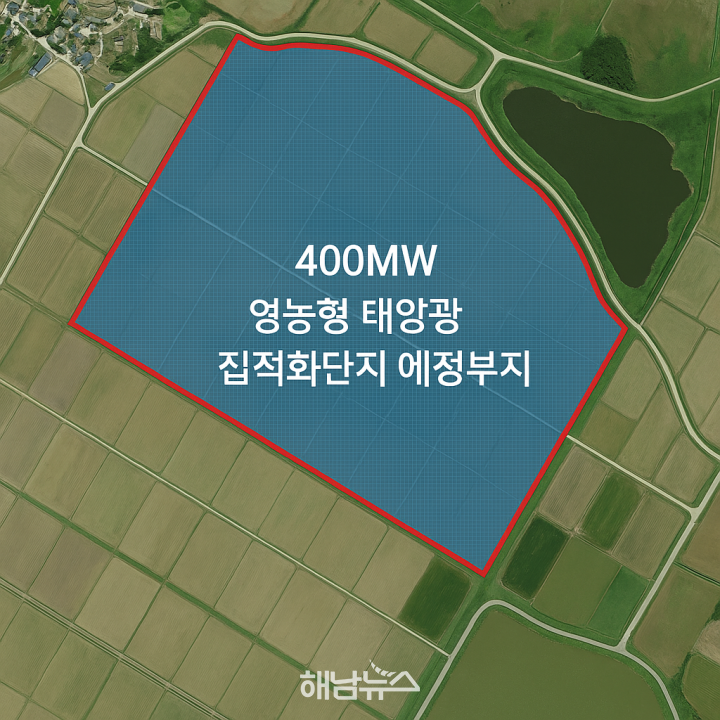 산이면 덕호리 태양광집적화단지 평면도 / 사진제공=해남뉴스 |
ㅣ Press Release ㅣ
[Haenam=Haenam News] haenamnews@naver.com
Haenam County to Invest KRW 1 Trillion in 505ha of Reclaimed Farmland in Sanim-myeon and Masan-myeon
400MW-Class Agrivoltaic Cluster to Be Developed
The project originated from a local residents’ proposal and will proceed through a public competitive bidding process to select the project developer, following the formation of a public-private consultative body. Part of the generated electricity will be supplied to local data centers, including the “Solarcido” industrial complex.
The project governance and implementation structure will be centered on the Public-Private Consultative Committee. The committee, composed of 29 members including residents’ representatives, agricultural corporations, local governments, provincial authorities, and experts, prioritizes mechanisms for sharing benefits with residents of 27 neighboring villages, such as a “Sunlight Pension” scheme.
Specific revenue-sharing mechanisms, including resident-participation bonds, funds, and priority purchasing options for local residents, will be determined by the committee.
Pilot and Demonstration Studies
Haenam County has installed agrivoltaic systems on 1,000㎡ of a 3,000㎡ rice cultivation area in Sanim-myeon reclaimed land to conduct field trials. From June 2025 to May 2028, the county will measure the interaction between crop growth, yield, and quality (for rice, garlic, cabbage, etc.) and power generation efficiency over three years.
The demonstration results will serve as the basis for standard guidelines—including panel height, shading ratio, planting patterns, and management instructions—and economic feasibility analyses.
Funding, Schedule, and Administrative Procedures
The cluster is expected to require about KRW 1 trillion. Jeollanam-do and Haenam County aim to complete the cluster designation and developer selection by 2025 and begin full-scale construction in 2026. However, as a large-scale project, it involves complex administrative and technical processes, including competitive bidding, land use permits, grid connection, and electricity sales contracts (to high-demand customers like the Solarcido RE100 industrial complex).
Policy and Regulatory Environment
The central government plans to extend the “temporary use permit for non-agricultural purposes” on non-agricultural promotion areas from 8 years to 23 years and provide legal frameworks for agrivoltaics—including project definitions, operators, and post-management—by 2025. The National Assembly is also reviewing special laws and support bills for agrivoltaics, making regulatory stability a key factor for project expansion.
Expected Benefits
Efficient Land Use: Enables simultaneous agricultural and energy production on idle farmlands such as reclaimed land.
Supplementing Local Income: Revenue from solar panels returned to residents can stabilize income in aging and depopulating rural areas.
Industrial Attraction: Linking to large electricity-demand facilities such as Solarcido data centers is expected to stimulate local economy and job creation.
Key Risks
Administrative Approvals: Legal and administrative challenges may arise in designating large-scale clusters and granting land-use permits.
Resident Acceptance: Transparency and effectiveness of benefit-sharing mechanisms are crucial; some residents may oppose the project.
Agricultural and Ecological Impact: Crop productivity and quality may be affected by panel height, shading ratio, and layout; demonstration results are critical.
Grid and Economic Feasibility: Managing grid load and ensuring that energy revenue complements agricultural income require careful validation.
Success Factors
Experts emphasize that creating standard guidelines based on demonstration data and designing financial and governance mechanisms (bonds, funds, cooperatives, etc.) to deliver real benefits to residents are essential for project success.
Haenam County plans to finalize detailed measures through the Public-Private Consultative Committee and incorporate demonstration results into project design, ensuring transparency and effectiveness.
 해남뉴스 박갑석 기자 haenamnews@naver.com