2026.03.26 (목) 04:49




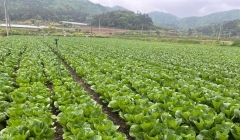
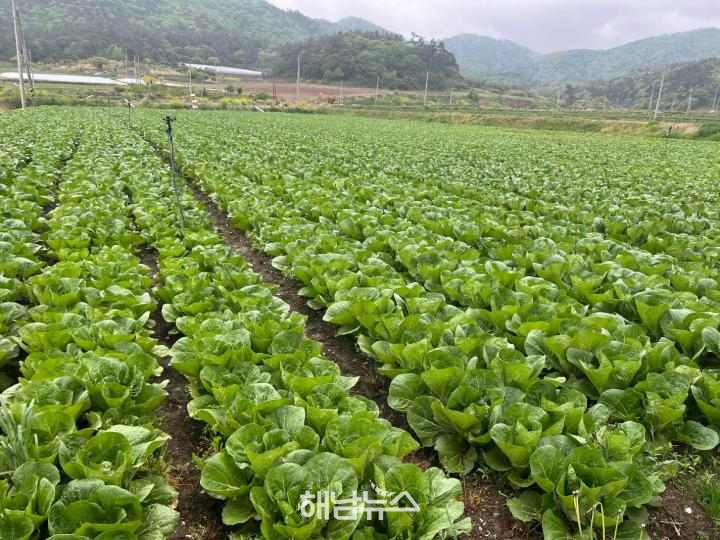 봄배추(2025년-진도군) / 사진제공=전라남도 |
전라남도가 봄철 채소 수급 불안 가능성에 선제 대응하기 위해 ‘생산 전수 점검’에 돌입했다.
단순 행정조사가 아니라, 가격과 농가 소득을 좌우할 ‘사전 통제 전략’이라는 점에서 주목된다.
전남도는 가을배추와 겨울배추 등 월동작물 수확 이후 본격적인 영농철을 맞아, 봄무·봄배추·봄양배추 정식기(아주심기)에 맞춰 3월 말까지 농가 재배 의향면적 조사를 실시한다고 밝혔다.
이번 조사는 단순한 통계 수집을 넘어 ▲생육관리 ▲생산량 예측 ▲수급 조절까지 연결되는 핵심 정책 데이터로 활용된다.
특히 수확기 이후에는 다음 작기 품목 선택, 종자 구입, 육묘 물량 결정 등 농업 경영 전반을 좌우하는 기준 자료로 쓰인다.
■ “생산 줄면 가격 출렁”… 이미 시작된 공급 경고 신호
문제는 생산 자체가 줄어들 가능성이 크다는 점이다.
한국농촌경제연구원 농업관측정보(3월호)에 따르면 올해 재배면적은 전년 대비
▲봄무 28.2% 감소
▲봄배추 9.9% 감소
▲봄양배추 5.3% 감소할 것으로 전망됐다.
이는 단순한 면적 감소를 넘어, 봄철 채소 가격 변동성과 공급 불안을 동시에 자극할 수 있는 신호다.
특히 봄배추와 무는 김치·가공·외식 산업까지 연결되는 핵심 품목으로, 생산량 변화가 곧 시장 가격으로 직결된다.
■ “마을 단위까지 쪼갠다.”… 초정밀 조사 체계 가동
전남도는 조사 정확도를 높이기 위해 행정 단위를 ‘마을 단위’까지 세분화했다.
시군은 지역 실정을 가장 잘 아는 이장을 중심으로 읍·면 단위 재배면적을 조사하고, 종자 구입량과 육묘 면적까지 반영해 정밀 데이터를 확보할 계획이다.
이는 단순 면적 조사에서 한 단계 더 나아간 ‘실제 생산 가능량 예측 시스템’으로 평가된다.
■ “데이터가 가격을 지킨다.”… 선제 대응으로 농가 보호
정원진 전남도 식량원예과장은 “봄배추 등 재배 의향조사는 예상 생산량을 예측해 가격과 수급 안정을 위한 핵심 자료”라며 “사전에 재배면적과 생산량을 파악해 선제적 수급안정 대책을 마련하고 농가 소득 안정에 기여하겠다.”고 밝혔다.
전남도의 이번 조치는 단순한 조사 행정이 아니다.
기후변화와 생산 감소, 가격 변동성이 동시에 커지는 상황에서 ‘데이터 기반 농정’으로 시장을 선제적으로 통제하려는 전략적 대응이다.
결국 봄채소의 가격은 밭에서 결정된다.
그리고 그 밭의 규모를 먼저 읽어내는 것이 지금 전남 농정의 핵심 전선이 되고 있다.
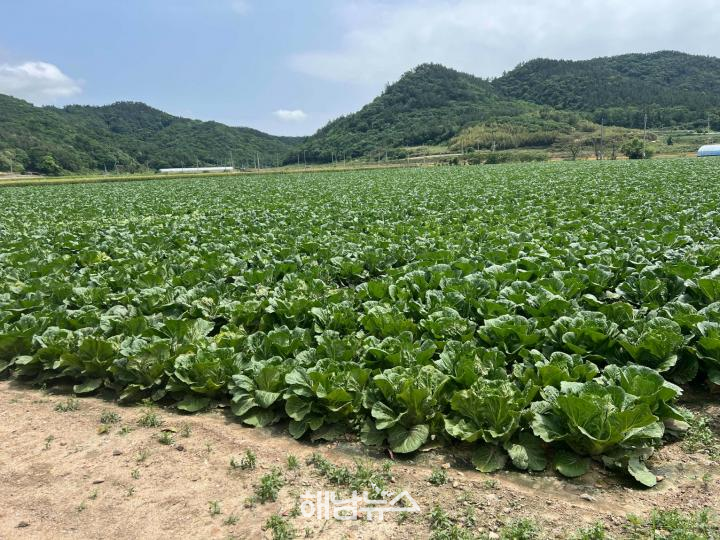 봄배추(2025년-진도군) / 사진제공=전라남도 |
“If It’s Not Planted, Prices Will Shake”… Jeonnam Launches Full-Scale Survey Amid Spring Vegetable Supply Warning
Declining acreage of radish, cabbage, and Chinese cabbage forecast… Preemptive measures to stabilize supply
【Jeonnam = Haenam News】 haenamnews@kakao.com
Jeollanam-do Province has launched a comprehensive production survey to preempt potential instability in the spring vegetable supply.
This is not a routine administrative procedure, but a “preemptive control strategy” that could directly influence market prices and farmers’ incomes.
As the farming season begins following the harvest of overwintering crops such as autumn and winter cabbage, the province announced it will conduct a survey on farmers’ planting intentions for spring radish, spring Chinese cabbage, and spring cabbage through the end of March, in line with the transplanting season.
This survey goes beyond simple data collection. It will serve as critical policy data linked to crop management, production forecasting, and supply-demand adjustment.
In particular, after harvest, it will function as a key reference for selecting next-season crops, purchasing seeds, and determining seedling production—ultimately shaping overall farm management decisions.
“Less Production, More Volatility”… Early Warning Signs of Supply Risk
The concern lies in the anticipated decline in production itself.
According to the Korea Rural Economic Institute’s Agricultural Outlook (March issue), cultivated areas this year are expected to decrease compared to last year by:
▲28.2% for spring radish
▲9.9% for spring Chinese cabbage
▲5.3% for spring cabbage
This reduction signals not only a contraction in acreage but also heightened price volatility and supply instability in the spring vegetable market.
In particular, Chinese cabbage and radish are key commodities linked to kimchi production, food processing, and the restaurant industry, meaning fluctuations in output can directly impact market prices.
“Down to the Village Level”… Precision Survey System Activated
To enhance accuracy, Jeonnam is conducting the survey at the village level.
Local governments will work with village heads—who are most familiar with local farming conditions—to assess cultivated areas at the township level.
Additionally, seed purchase volumes and seedling production areas will be incorporated to ensure precise data collection.
This represents a shift from simple acreage surveys to a more advanced system capable of forecasting actual production capacity.
“Data Protects Prices”… Preemptive Action to Safeguard Farmers
Jung Won-jin, Director of the Food and Horticulture Division of Jeonnam Province, stated:
“The survey on planting intentions for spring Chinese cabbage and other crops is essential for forecasting production and stabilizing prices and supply. We will use this data to prepare proactive measures that contribute to stabilizing farmers’ incomes.”
Jeonnam’s move is more than administrative.
Amid climate change, declining production, and increasing price volatility, it reflects a strategic shift toward data-driven agricultural governance aimed at proactively managing the market.
Ultimately, the price of spring vegetables is determined in the fields.
And reading the scale of those fields in advance has now become the frontline of Jeonnam’s agricultural policy.
 해남뉴스 박충배 편집 및 논설위원 haenamnews@kakao.com