2026.04.30 (목) 08:33




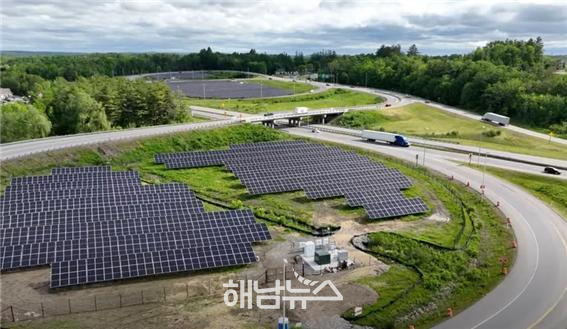 고솓도로변 태양광 사진 / 사진제공=호남뉴스 |
대한민국은 지금 “재생에너지 확대”를 외친다.
탄소중립, RE100, 에너지 전환, 분산형 전력.
정부와 지자체는 앞 다투어 선언을 쏟아낸다.
그러나 정작 농촌 현장에서는 전혀 다른 현실이 펼쳐지고 있다.
태양광을 하겠다는 주민은 넘치는데, 규제 때문에 아무것도 할 수 없다.
그 대표적인 사례가 바로 태양광 발전시설 ‘거리제한 규제’다.
법은 허용하는데, 지자체가 막는다.
태양광 발전시설 설치는 원칙적으로 허용된 사업이다.
관련법도 분명하다.
「신에너지 및 재생에너지 개발·이용·보급 촉진법」 제12조 → 국가와 지방자치단체는 재생에너지 보급을 확대해야 할 책무가 있다.
「전기사업법」 제7조 → 일정 규모 이하 발전사업은 허가 또는 신고를 통해 설치할 수 있다.
「국토의 계획 및 이용에 관한 법률」 → 개발행위 허가를 통해 발전시설 설치 가능.
즉, 법의 기본 방향은 ‘재생에너지 확대’다.
그런데 현실에서는 어떻게 운영되고 있는가.
많은 지자체가 조례를 통해 주거지·도로·마을로부터 200m~1000m까지 거리제한을 두고 있다.
문제는 이것이다.
법에는 없는 규제가 조례로 만들어져 주민을 막고 있다.
힘 있는 사업은 되고, 농민 태양광은 막힌다.
대규모 태양광 개발 사업은 추진된다.
대기업도 들어온다.
투자사업도 진행된다.
그러나 정작 자기 농지에 소규모 태양광을 하려는 농민들은 규제에 막힌다.
특히 다음과 같은 사례가 반복된다.
경관 훼손이 없는 농지, 주변 민가 없는 지역, 영농형 또는 소규모 태양광, 그럼에도 불구하고 “거리제한 때문에 불가합니다.” 행정의 답변은 단 하나다.
이것이 과연 합리적 행정인가.
거리제한의 근거는 무엇인가.
지자체들이 거리제한을 두는 이유는 보통 세 가지다.
경관 훼손, 주민 민원, 난개발 방지, 그러나 현실을 보면 이 논리는 설득력이 약하다.
첫째,
경관 훼손은 입지별 심의로 충분히 판단할 수 있다.
둘째,
민원이 문제라면 소규모 농민 태양광까지 막을 이유는 없다.
셋째,
난개발 방지는 개별 인허가 기준으로 관리하면 된다.
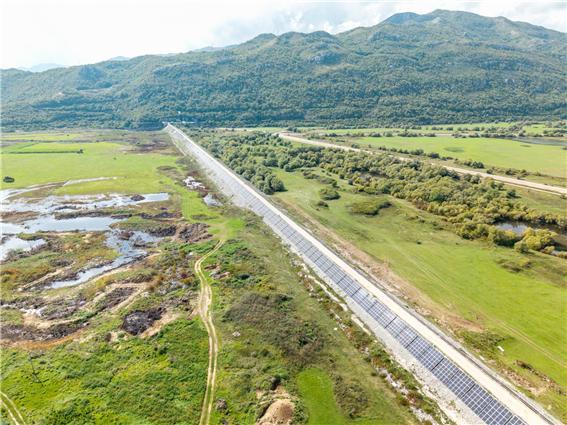 고솓도로변 태양광 사진 / 사진제공=호남뉴스 |
그럼에도 불구하고 거리로 일괄적으로 막아버리는 방식은 행정 편의주의에 불과하다.
규제는 쉬웠고, 대책은 없었다. 농촌의 현실은 절박하다.
고령화, 농업 소득 감소, 유휴농지 증가, 이 상황에서 농민 태양광은 새로운 소득 모델이 될 수 있다.
정부도 이미 강조했다.
농민 태양광, 영농형 태양광, 에너지 소득 공유, 그러나 현장에서는 조례 한 줄이 모든 정책을 무력화한다.
정책은 위에서 외치고 규제는 아래에서 막는다.
이것이 지금 재생에너지 정책의 모순이다.
더 큰 문제는 침묵이다
더 안타까운 것은 이 문제를 행정도, 정치도, 시민사회도 제대로 제기하지 않는다는 점이다.
농민들은 말한다.
“태양광 한다고 해도 어차피 거리제한 때문에 안 된다.” 그렇게 가능한 산업이 사라지고 있다.
이제 질문해야 한다.
재생에너지를 확대할 것인가.
아니면 구호만 외치는 정책으로 남길 것인가.
정말 재생에너지를 하겠다면 먼저 해야 할 일이 있다.
불합리한 거리제한 규제를 전면 재검토하는 것.
적어도 농민 태양광, 영농형 태양광, 소규모 발전사업 만큼은 일률적 거리제한에서 제외해야 한다.
재생에너지의 적은 주민이 아니라 규제다.
대한민국은 지금 AI 산업, 데이터센터, 전기차 시대를 이야기한다.
그러나 그 모든 산업의 기반은 전력이다.
재생에너지를 확대하겠다고 하면서 정작 농촌 태양광을 막는다면 그 정책은 이미 실패한 것이다.
이제 행정은 답해야 한다.
도대체 왜 거리제한을 두는가. 경관 때문인가. 민원 때문인가. 아니면 책임 회피 때문인가.
분명한 것은 하나다.
지금의 거리제한 규제는 재생에너지 정책의 가장 큰 모순이다.
그리고 그 피해는 결국 힘없는 농민들에게 돌아가고 있다.
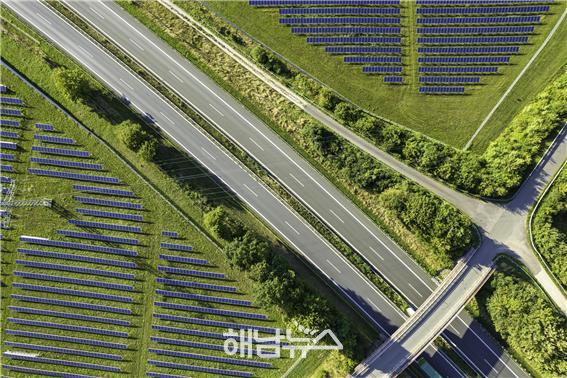 고솓도로변 태양광 사진 / 사진제공=호남뉴스 |
[Haenam News – Editorial]
“Calling for Renewable Energy While Blocking Solar Power”
Rural Solar Projects Trapped by Distance Restrictions — Whose Regulation Is This For?
South Korea today loudly calls for the expansion of renewable energy.
Carbon neutrality.
RE100.
Energy transition.
Distributed power systems.
Both the national government and local governments are rushing to make declarations.
Yet on the ground in rural communities, a completely different reality is unfolding.
Many residents are willing to install solar power systems, but regulations prevent them from doing anything.
One of the most typical examples is the “distance restriction regulation” applied to solar power facilities.
The Law Allows It — Local Governments Block It
Solar power generation facilities are, in principle, permitted projects.
The relevant laws are clear.
Article 12 of the Act on the Promotion of the Development, Use and Diffusion of New and Renewable Energy
→ The state and local governments have the responsibility to expand renewable energy supply.
Article 7 of the Electric Utility Act
→ Small-scale power generation projects may be installed through approval or notification.
National Land Planning and Utilization Act
→ Power generation facilities may be installed through development permits.
In other words, the fundamental direction of the law is the expansion of renewable energy.
But how is it actually being implemented?
Many local governments impose distance restrictions of 200 to 1,000 meters from residential areas, roads, or villages through local ordinances.
And this is the problem.
Regulations that do not exist in national law are being created through local ordinances to block residents.
Powerful Projects Move Forward — Farmers’ Solar Projects Are Stopped
Large-scale solar development projects proceed.
Major corporations enter the market.
Investment projects are actively promoted.
Yet farmers who simply want to install small solar facilities on their own farmland are blocked by regulations.
The same situation repeats itself over and over again.
Farmland where there is no landscape damage.
Areas with no nearby residential houses.
Agrivoltaic or small-scale solar projects.
Yet the answer from the authorities remains the same:
“It is not permitted because of the distance restriction.”
Is this truly rational administration?
What Is the Basis of the Distance Restrictions?
Local governments usually give three reasons.
Landscape protection
Residents’ complaints
Prevention of uncontrolled development
But in reality, these arguments are weak.
First,
landscape impact can be evaluated through site-specific reviews.
Second,
if complaints are the issue, there is no reason to block small farmer-owned solar projects altogether.
Third,
preventing reckless development can be managed through individual permit standards.
Nevertheless, the current system blocks projects uniformly based on distance alone.
This is not sound policy.
It is simply administrative convenience.
Regulation Was Easy — Solutions Were Not
The reality of rural communities is desperate.
Aging populations
Declining farm income
Increasing idle farmland
Under these conditions, farmer-owned solar power can become a new income model.
The government itself has repeatedly emphasized:
Farmer solar power
Agrivoltaic systems
Energy income sharing
Yet in reality, a single line in a local ordinance nullifies the entire policy.
Policies are proclaimed from above.
Regulations block them from below.
This is the fundamental contradiction of the current renewable energy policy.
The Greater Problem Is Silence
What is even more troubling is that this issue is rarely raised seriously by administrations, politicians, or civil society.
Farmers often say:
“Even if we try to install solar panels, it won’t work anyway because of the distance restriction.”
And in that moment, a potential industry disappears.
Now the Question Must Be Asked
Will renewable energy truly be expanded?
Or will it remain a policy of slogans without substance?
If the goal is genuine renewable energy expansion, the first step must be clear.
A comprehensive review of irrational solar distance restrictions.
At the very least,
farmer-owned solar projects
agrivoltaic systems
small-scale generation projects
should be exempt from uniform distance restrictions.
The Enemy of Renewable Energy Is Not Residents — It Is Regulation
South Korea today talks about
the AI industry
data centers
the electric vehicle era
But the foundation of all these industries is electric power.
If renewable energy expansion is proclaimed while rural solar power is blocked, the policy has already failed.
Now the administration must answer.
Why do these distance restrictions exist?
Is it for landscape protection?
For civil complaints?
Or simply to avoid responsibility?
One thing is certain.
The current distance restriction policy represents one of the greatest contradictions in South Korea’s renewable energy policy.
And the burden of that contradiction
ultimately falls on powerless rural farmers.
 해남뉴스 박충배 편집 및 논설위원 haenamnews@kakao.com