2026.03.12 (목) 14:25




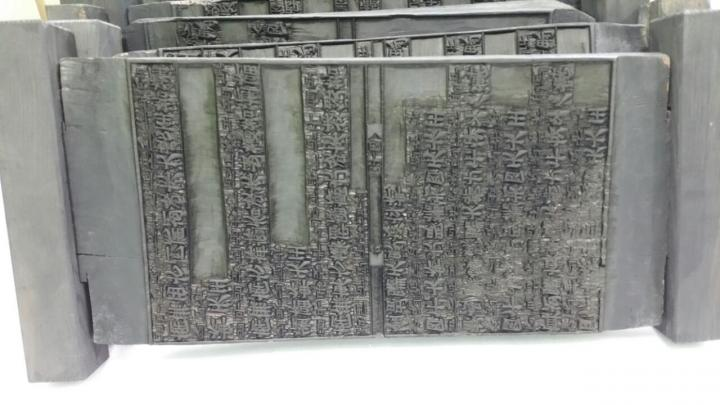 대흥사 성보박물관 소장 묘법연화경 목판 / 사진제공=해남뉴스 |
Ⅰ. 유물 개요
명칭 : 묘법연화경(妙法蓮華經) 목판
지정번호 : 보물 제1959호(2017년 지정)
제작연도 : 1561년(명종 16)
제작장소 : 전라남도 장흥군 천관산 천관사
소장처 : 해남 대흥사(성보박물관)
현존 매수 : 총 245판(이 중 1판 결판)
제작 계열 : 조선 초 초주갑인자(初鑄甲寅字) 계통
본 경판은 현재 남아 있는 초주갑인자본 법화경 목판 중 가장 오래되고 유일하게 전래된 경판으로 평가되며, 조선 중기 불교 인쇄문화 연구에 핵심적 위치를 차지한다.
Ⅱ. 역사적 가치
1. 희귀성 – 현존하는 유일한 갑인자본 계열
조선 시대 여러 지역에서 갑인자본 『묘법연화경』이 간행되었으나 대부분 소실되었다.
황해도 자비령사(1493) – 현존 사례 없음
충청도 무량사(1493) – 현존 사례 없음
경상도 신흥사(1545) – 잔존본 미확인
이와 달리 대흥사 묘법연화경 목판만이 유일하게 완형에 가깝게 전승되었다.
따라서 희귀성 차원에서 독보적 가치를 가진다.
2. 시기적 중요성 – 1561년 조선 중기 불교 인쇄의 실체
1561년은 조선 중기 억불 정책이 가장 강력했던 시기로, 이 시기의 불경 목판 제작은 교단의 생존 전략이자 신앙적 의지의 표현이었다.
경판은 이 시대 불경 간행의 규모·기술·신앙 교류를 보여주는 1차 사료이다.
3. 보존 상태의 학술성
245판 중 1판이 결판되었으나, 전체 판면의 각법·서체·목재 가공 상태가 매우 양호해 조선 중기 판각술과 불경 인쇄 연구에 직접 비교가 가능한 수준이다.
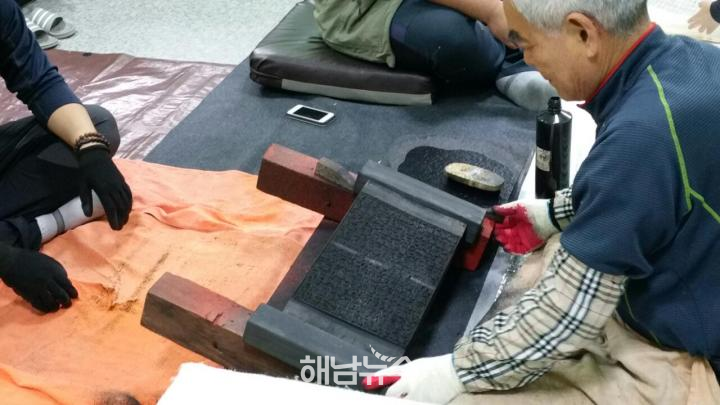 대흥사 성보박물관 소장 묘법연화경 목판 인경작업 / 사진제공=해남뉴스 |
Ⅲ. 제작 배경
1. 발원 및 신앙적 동기
1561년 대흥사를 비롯한 남도 불교계에서는 법화경 간행을 통한 국태민안(國泰民安)과 교단 보존을 서원하였다.
특히 안평대군 이용 등 여러 신앙인과 사찰이 참여해 집중적인 법화신앙 운동이 전개되었다.
2. 제작 사찰 – ‘천관산 천관사’의 역할
천관사는 고려 후기부터 조선 전기까지 경전 간행과 판각장(板刻匠) 활동이 활발했던 남도 지역의 중심 사찰이었다.
풍부한 목재 자원, 전문 각수(刻手)의 존재, 남도 불교권과의 교류
이 모든 조건이 갖춰져 있어 본 목판의 제작 거점으로 선택되었다.
3. 남도 불교 네트워크와 경판 이동
경판은 제작 후 해남 대흥사로 이안되었으며, 이는 남도 사찰 간 공동 보존 체계의 전형으로 불경 보존을 위한 지역 연대의 실증 자료이다.
Ⅳ. 제작 과정
1단계: 발원과 준비
불경 간행 목적 확정→신도·사찰의 서원문 작성→인력(각수·승려·인출공) →목재 확보→갑인자 계열 서체를 기본으로 한 판식 확정
2단계: 목판 재료 가공
목재(산벚나무·돌배나무)를 벌목→해수(海水)에 침수해 방부 처리→자연 건조와 다듬기 과정을 거쳐 판재 제작
3단계: 판각(板刻)
경문을 탁본하여 시뜨림(초안) 작성→각수들이 조각칼로 음각(陰刻)→황동으로 마구리 제작→못질 한 장당 황동 8개→황동 못 32~33개 사용
4단계: 인쇄 및 절첩본 제작
초주갑인자 계열 활자체에 맞춘 판각본 인출→인쇄된 종이를 접어 권자본 제작→오동나무 보관함 제작
5단계: 대흥사 봉안
경판을 대흥사로 이동→법화경 독송·강원 교육용·사경 원본 자료 등으로 활용→이후 성보박물관에 보관되어 현재까지 전승
Ⅴ. 재질과 전통 도구
1. 사용된 목재
연구 결과, 『묘법연화경』 목판은 팔만대장경과 동일 계열의 목재로 제작됨.
주요 수종
수종 특징 사용 이유
산벚나무 치밀하고 단단함 정교한 조각 가능, 오래 보존
돌배나무 강도 우수, 충격에 강함 마멸·습기에 강해 장기 보관 가능
자작(일부) 부패 방지 우수 간혹 보조목재로 사용
종합적으로, 산벚나무·돌배나무가 주재료로 확정된다.
2. 전통 제작 도구
조각칼(각수 도구) : 세부 음각에 사용
황동·황동못 : 장식 및 판 보호
목판(판재) : 경문 새김의 바탕
오동나무 상자 : 인출 본 보관
먹·붓·제책도구 : 인쇄 및 마감 과정
Ⅵ. 종합적 의의
1. 한국 불교 목판 인쇄문화의 ‘중심 증거’
대흥사 목판은 조선 중기의 판각 기술, 불교경전 제작 체계, 남도 사찰의 공동 간행 활동을 보여주는 희귀한 1차 사료이다.
2. 초주갑인자본 계열의 최고(最古)·유일본
초주갑인자본의 계보를 복원할 수 있는 가장 오래된 유일한 실물 목판이라는 점에서 학술적 가치가 절대적이다.
3. 지역 불교문화의 정체성을 증명
천관사 제작 → 대흥사 보존이라는 이동 과정은 남도 불교권의 연대성과 신앙 구조를 밝히는 핵심 자료다.
4. 보존 상태의 우수성과 활용성
목재 보존, 조각 상태, 인출 가능성 등에서 문화재로서의 현장적·교육적 활용 가치가 매우 크다.
???? 결론
대흥사 보물 제1959호 『묘법연화경』 목판은 1561년 천관사에서 제작된 현존 유일의 갑인자본 계열 경판으로, 조선시대 불교 인쇄문화·목판공예·법화신앙 연구의 핵심 유산이다.
그 희귀성과 보존·학술 가치는 한국 불교문화사에서 단독적 지위를 가지며, 목판 인쇄술 전통의 정수를 보여주는 귀중한 문화재이다.
Treasure No. 1959 of Daeheungsa Temple
Woodblocks of the Lotus Sutra (Myobeop Yeonhwagyeong)**
[Haenam News] haenamnews@kakao.com
Ⅰ. Overview
Title: Woodblocks of Myobeop Yeonhwagyeong (妙法蓮華經, The Lotus Sutra)
Designation: Treasure No. 1959 (designated in 2017)
Year of Production: 1561 (16th year of King Myeongjong, Joseon dynasty)
Place of Production: Cheongwansa Temple, Mount Cheongwan, Jangheung-gun, Jeollanam-do
Current Location: Daeheungsa Temple, Seongbo Museum (Haenam)
Existing Plates: 245 woodblocks (1 missing)
Typographic Lineage: Early Joseon Initial Gapinja (初鑄甲寅字) type family
These woodblocks are regarded as the oldest and only surviving woodblock set of the Gapinja edition of the Lotus Sutra, occupying a central position in the study of Buddhist printing culture in mid-Joseon Korea.
Ⅱ. Historical Significance
1. Rarity – the only extant exemplar of the Gapinja lineage
Although numerous Gapinja editions of the Lotus Sutra were printed across the country during the Joseon period, nearly all have been lost.
Jabiryeongsa Temple, Hwanghae-do (1493) – no extant copies
Muryangsa Temple, Chungcheong-do (1493) – no extant copies
Sinheungsa Temple, Gyeongsang-do (1545) – no surviving examples
In contrast, the Daeheungsa woodblocks remain almost fully intact and are the sole surviving set of their type, giving them unparalleled rarity.
2. Chronological importance – material evidence of mid-Joseon Buddhist printing
The year 1561 represents a period of intense suppression of Buddhism.
Producing sutra woodblocks during this era was not only an act of devotion, but also a strategic effort to preserve the Buddhist canon.
These woodblocks provide crucial primary evidence regarding:
the scale of Buddhist publishing
printing technologies
inter-temple networks and religious exchange
during mid-Joseon.
3. Research value – outstanding preservation
Although one plate is missing, the remaining 245 blocks show excellent preservation:
fine carving technique
stable wood condition
legible and standardized calligraphy
They allow for reliable comparison within the corpus of Joseon Buddhist woodblock printing.
Ⅲ. Background of Production
1. Religious motivation and vows
In 1561, Buddhist communities of the southern region—including Daeheungsa—initiated the production of this sutra to pray for national peace and the preservation of the Buddhist order.
Figures such as Prince Anpyeong (Yi Yong) and regional temples participated, fostering a broad Lotus Sutra devotion movement.
2. Production site – the role of Cheongwansa Temple
Cheongwansa had been a major southern Buddhist center from late Goryeo through early Joseon, known for:
abundant wood resources
skilled woodblock carvers (gaksu)
active exchange with nearby temples
These conditions made it an ideal site for the production of the woodblocks.
3. Regional Buddhist network and the transfer of the blocks
After completion, the woodblocks were transferred to Daeheungsa Temple.
This movement illustrates the collaborative preservation system among southern temples, providing material evidence of regional Buddhist networks.
Ⅳ. Production Process
Step 1: Vow and Preparation
Establishing the purpose of printing
Drafting vows and sponsorship documents
Organizing artisans (carvers, monks, printers)
Securing wood resources
Determining layout and style based on the Gapinja type lineage
Step 2: Wood Preparation
Felling mountain cherry and wild pear trees
Immersing wood in seawater for preservation
Natural drying and planing
Preparing flat boards for carving
Step 3: Carving (板刻)
Preparing preliminary drafts using rubbings
Carving characters in relief using various chisels
Applying brass edge fittings
8 brass brackets per block
32–33 brass nails per block
Step 4: Printing and Folding
Printing based on the Initial Gapinja typeface model
Folding printed sheets to create accordion-style volumes
Making paulownia wood cases for storage
Step 5: Enshrinement at Daeheungsa
Transporting the completed woodblocks to Daeheungsa
Use in recitation, monastic education, and manuscript copying
Long-term preservation in the Seongbo Museum
Ⅴ. Materials and Traditional Tools
1. Wood Types
Research confirms that the wood is consistent with that used for the Tripitaka Koreana.
Wood type Characteristics Reason for use
Mountain cherry Dense and hard Allows precise carving; highly durable
Wild pear (hard pear) Excellent strength; impact-resistant Resistant to wear and humidity; long-term preservation
Birch (partial use) Strong decay resistance Occasionally used as supplementary material
→ The primary woods are mountain cherry and wild pear.
2. Tools Used
Carving knives (for fine relief carving)
Brass fittings & brass nails (for finishing and protection)
Woodblock boards (core carving base)
Paulownia storage cases (for printed volumes)
Ink, brushes, binding tools (for printing and assembly)
Ⅵ. Comprehensive Significance
1. A central witness to Korean Buddhist woodblock culture
The Daeheungsa woodblocks exemplify:
mid-Joseon carving craftsmanship
Buddhist canon production
cooperative publishing practices among southern temples
They are an indispensable primary source.
2. The oldest and only remaining example of the Initial Gapinja edition
As the sole extant and earliest woodblock set of this typographic lineage, they hold unmatched academic importance.
3. Proof of regional Buddhist identity
The trajectory
Cheongwansa (production) → Daeheungsa (preservation)
demonstrates a coherent and organized network of Buddhist communities in the southern provinces.
4. Exceptional preservation and educational value
The physical condition of the blocks, carving clarity, and printability contribute to their continued value for:
museum exhibition
academic study
cultural heritage education
???? Conclusion
The Myobeop Yeonhwagyeong woodblocks of Daeheungsa Temple, produced in 1561 at Cheongwansa Temple, constitute the only surviving woodblock edition of the Gapinja lineage.
They are a cornerstone in the study of:
Joseon Buddhist printing culture
traditional woodblock carving
Lotus Sutra devotion
regional Buddhist networks
Their rarity, preservation, and scholarly significance place them among the most important Buddhist cultural assets in Korea.
 해남뉴스 박충배 편집 및 논설위원 haenamnews@kakao.com