| 전남광주 응급환자 ‘병원 찾아 뺑뺑이’ 막는다…민관 이송체계 전면 점검 전남광주통합특별시·소방·응급의료기관·민간 구급차 업체 참여 해남뉴스 박충배 편집 및 논설위원 news@hbcnews.kr |
| 2026년 08월 08일(토) 13:43 |
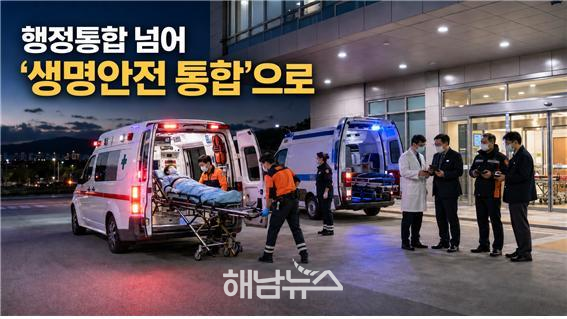 행정통합넘어 생명안전 통합으로 / 사진제공=AI호남뉴스 |
전남광주 지역에서 응급환자가 병원을 찾지 못해 장시간 이동하는 이른바 ‘응급실 뺑뺑이’를 줄이기 위한 민관 협력 논의가 본격화됐다.
전남광주통합특별시는 소방당국과 응급의료기관, 민간 구급차 업체 등 관계기관이 참여하는 민관 간담회를 마련하고 응급환자 이송과 병원 수용 과정에서 발생하는 공백을 점검했다.
이번 간담회에서는 응급환자의 중증도에 따른 적정 병원 선정, 농어촌·도서지역 장거리 이송, 의료기관 간 전원, 민간 구급차의 인력·장비 관리, 실시간 병상정보 공유 및 기관별 합동 대응체계 강화 방안 등이 주요 의제로 다뤄졌다.
특히 광주 도심과 전남 농어촌·도서지역을 하나의 응급의료권으로 연결하되, 지역별 의료 접근성 차이와 병원 분포의 불균형을 어떻게 해소할지가 핵심 과제로 제시됐다.
특별시 “기관별로 흩어진 정보를 하나로 연결”
전남광주통합특별시는 응급환자 발생부터 현장 응급처치, 병원 선정, 이송, 응급실 수용까지 이어지는 전 과정을 하나의 대응체계로 연결할 필요가 있다는 입장이다.
119구급대가 환자를 이송하더라도 병원의 병상이나 전문의 확보 여부가 실시간으로 정확하게 공유되지 않으면 여러 의료기관에 수용 가능 여부를 반복해서 확인해야 한다. 이 과정에서 치료가 지연되고 구급대가 다른 출동에 대응하지 못하는 문제도 발생할 수 있다.
특별시는 소방과 의료기관, 민간 이송업체가 각각 보유한 정보를 공유하고 중증환자가 발생했을 때 권역응급의료센터와 지역응급의료기관이 신속히 역할을 나누는 체계를 강화한다는 방침이다.
광주지역 대형병원으로 환자가 과도하게 몰리지 않도록 지역별 치료 가능 분야와 의료자원을 체계적으로 파악하고, 중증도에 따라 가장 적합한 병원을 우선 선정하는 방안도 중요한 과제로 꼽힌다.
다만 실시간 병상정보 시스템을 마련하는 것만으로 문제가 해결되지는 않는다. 실제 진료를 담당할 응급의학과·외상·심뇌혈관·소아·산부인과 전문인력과 수술실, 중환자실이 부족하면 시스템상 병상이 있어도 환자를 받을 수 없기 때문이다.
민간 구급차 업계 “공공 이송 보완하지만 여건은 열악”
민간 구급차 업체들은 119가 담당하기 어려운 병원 간 전원과 비응급환자 이송, 장거리 이동 등을 맡으면서 지역 응급의료체계의 한 축을 담당하고 있다.
요양병원이나 지역 의료기관에서 상급종합병원으로 환자를 옮기거나, 치료가 끝난 환자를 다른 병원이나 자택으로 이송하는 업무도 상당 부분 민간 구급차가 맡고 있다.
민간업계는 공공 구급체계를 보완하고 있지만 응급구조사와 운전 인력 확보, 구급차 유지·관리, 의료장비 구비, 유류비 및 장거리 운행비 부담이 크다는 입장이다. 농어촌지역은 이동 거리가 길고 복귀 과정에서 빈 차량으로 운행하는 경우가 많아 운영상 어려움이 더욱 크다는 설명이다.
현장에서는 민간 구급차의 역할과 업무 범위를 분명히 하고, 종사자 교육과 장비 점검을 강화하는 한편 적정한 이송비용과 지원기준도 함께 마련해야 한다는 요구가 나온다.
업체별 인력과 장비 수준에 차이가 있는 만큼 관리·감독도 강화해야 한다. 구급차에 필요한 의료장비가 정상적으로 작동하는지, 법정 인력이 실제 탑승하는지, 환자 상태에 맞는 응급처치가 이뤄지는지를 정기적으로 점검할 필요가 있다.
과도하거나 불분명한 이송요금으로 환자와 보호자가 피해를 보지 않도록 요금 기준과 추가비용도 사전에 명확히 안내해야 한다.
농어촌 시민들 “병원보다 먼저 이송시간을 걱정”
전남광주 지역 시민들이 현장에서 겪는 가장 큰 고충은 위급한 순간 신속하게 치료받을 병원을 찾기 어렵다는 점이다.
광주 도심과 가까운 지역은 대형 의료기관 접근성이 비교적 높지만 해남·완도·진도·신안·고흥 등 농어촌과 도서지역 주민들은 응급환자가 발생하면 목포·순천·광주 등의 의료기관까지 장거리를 이동해야 하는 경우가 많다.
섬 지역은 기상상황과 여객선 운항 여부에 따라 해경 경비함정이나 소방헬기, 닥터헬기 등에 의존해야 한다. 육지에 도착한 뒤 다시 구급차를 타고 병원으로 이동해야 해 실제 치료 시작까지 상당한 시간이 소요될 수 있다.
고령자가 많은 농촌에서는 홀로 사는 주민이 쓰러져도 발견과 신고 자체가 늦어질 가능성이 크다. 보호자가 고령이거나 차량이 없으면 병원 간 전원과 퇴원 후 귀가 과정에서도 큰 불편을 겪는다.
시민들은 응급상황이 발생했을 때 어느 병원에서 어떤 치료를 받을 수 있는지 알기 어렵고, 병원 수용이 지연되는 이유도 충분히 설명받지 못한다고 호소한다. 구급차 안에서 여러 병원을 확인하는 동안 환자 상태가 악화될 수 있다는 불안도 크다.
또 민간 구급차를 이용할 때는 요금이 얼마나 나오는지, 응급구조사가 탑승하는지, 어떤 의료장비를 갖췄는지 확인하기 어렵다는 지적도 제기된다.
통합특별시 출범, 행정통합 넘어 ‘생명안전 통합’으로
전남과 광주가 하나의 특별시로 통합된 만큼 응급의료체계 역시 기존 행정구역의 경계를 넘어 재설계해야 한다는 목소리가 나온다.
광주의 상급종합병원과 전남 각 지역 응급의료기관을 기능별로 연결하고, 서부·동부·남부권의 중증응급환자가 특정 병원에만 집중되지 않도록 권역별 책임의료체계를 구축해야 한다는 것이다.
권역응급의료센터와 지역응급의료센터, 지역응급의료기관의 역할을 명확히 구분하고 소방·해경·닥터헬기·민간 구급차 사이의 환자 인계 기준도 통일할 필요가 있다.
간담회가 실질적인 변화로 이어지려면 선언적인 협력에 머물러서는 안 된다. 지역별 평균 이송시간, 병원별 수용 요청과 거부 현황, 재이송 사례, 민간 구급차 인력·장비 점검 결과 등을 정기적으로 분석하고 공개해야 한다.
응급환자의 생명은 행정구역이나 기관별 업무 경계 앞에서 기다려주지 않는다. 전남광주통합특별시는 이번 민관 간담회를 계기로 신고부터 최종 치료까지 책임지는 통합 지휘체계를 마련해야 한다.
특히 농어촌과 도서지역 주민도 광주 도심 주민과 동등한 수준의 응급의료 서비스를 받을 수 있도록 권역별 응급의료 인력 확충, 닥터헬기와 해상 이송체계 보강, 야간·휴일 전문진료 확대, 민간 구급차 지원 및 관리대책을 구체적으로 제시해야 한다.
단 한 명의 환자도 병원을 찾지 못해 구급차 안에서 골든타임을 잃지 않도록 하는 것, 그것이 통합특별시가 보여줘야 할 가장 기본적인 생명안전 행정이다
Jeonnam–Gwangju Moves to End the “ER Runaround” for Emergency Patients, Launches Full Review of Public–Private Transport System
Jeonnam–Gwangju Metropolitan Special City, fire authorities, emergency medical institutions and private ambulance operators participate
Discussions focus on selecting appropriate hospitals based on patient severity and establishing a rapid admission system
Closing gaps in long-distance transport from rural and island communities and inter-hospital transfers emerges as a key priority
Special City: “We will establish an integrated response network linking fire services, hospitals and private transport providers”
Private ambulance sector: “We supplement public emergency transport, but staffing shortages and operating costs are becoming increasingly severe”
Residents: “In an emergency, we are anxious because we do not know which hospital will accept us”
Accuracy of real-time bed information, shortages of medical personnel and repeated refusals to accept patients must be addressed
“The initiative must go beyond a one-time meeting—regional transport times and hospital refusal data should be disclosed”
【JEONNAM–GWANGJU=AI HONAM NEWS】 aihnnews@kakao.com
Public–private cooperation efforts are gaining momentum in the Jeonnam–Gwangju region to reduce the so-called “ER runaround,” in which emergency patients are transported over long distances because hospitals are unable or unwilling to accept them.
Jeonnam–Gwangju Metropolitan Special City convened a public–private meeting involving fire authorities, emergency medical institutions, private ambulance operators and other relevant organizations to examine gaps in emergency patient transport and hospital admission procedures.
Major agenda items included selecting appropriate hospitals based on the severity of a patient’s condition, long-distance transport from rural and island communities, inter-hospital transfers, management of personnel and equipment at private ambulance companies, real-time sharing of hospital bed information and stronger joint response measures among participating organizations.
A central challenge is how to integrate urban Gwangju and the rural and island communities of Jeonnam into a unified emergency medical service area while addressing regional disparities in medical accessibility and the uneven distribution of hospitals.
Special City: “Connecting Fragmented Information Through One Integrated System”
Jeonnam–Gwangju Metropolitan Special City maintains that the entire process—from the initial emergency call and on-site treatment to hospital selection, patient transport and emergency room admission—must be connected through a single response system.
Even when a patient is transported by a 119 emergency unit, paramedics may have to contact multiple hospitals if information concerning available beds and specialists is not shared accurately in real time.
This process can delay treatment and prevent ambulance crews from responding promptly to other emergencies.
The Special City plans to strengthen information sharing among fire services, medical institutions and private ambulance operators. It also intends to establish a system under which regional emergency medical centers and local emergency institutions can quickly divide responsibilities when critically ill or injured patients require treatment.
Another important objective is to prevent an excessive concentration of patients at major hospitals in Gwangju. To achieve this, authorities must systematically identify the specialties and medical resources available in each region and prioritize the most appropriate hospital according to the severity and nature of each patient’s condition.
A real-time bed information system alone, however, cannot resolve the problem. Even when a bed is shown as available, a hospital may still be unable to accept a patient if it lacks emergency medicine, trauma, cardiovascular, cerebrovascular, pediatric or obstetric specialists—or if operating rooms and intensive care beds are unavailable.
Private Ambulance Sector: “We Supplement Public Transport, but Working Conditions Remain Difficult”
Private ambulance operators form an important part of the regional emergency medical system by handling inter-hospital transfers, non-emergency patient transport and long-distance journeys that cannot always be covered by the 119 emergency service.
A considerable proportion of transfers from nursing hospitals or local medical institutions to advanced general hospitals is handled by private ambulance companies. These operators also transport patients to other hospitals or back home following treatment.
The private ambulance sector says it supplements the public emergency transport system but faces substantial difficulties in recruiting emergency medical technicians and drivers, maintaining ambulances, purchasing medical equipment and covering fuel and long-distance travel costs.
These challenges are particularly serious in rural areas, where travel distances are greater and ambulances often return without passengers after completing a transfer.
Industry representatives are calling for the responsibilities and operating scope of private ambulances to be clearly defined. They also want stronger workforce training and equipment inspections, accompanied by reasonable transport fees and support standards.
Because staffing and equipment levels vary among operators, oversight must also be strengthened. Authorities should regularly inspect whether medical equipment is operating properly, legally required personnel are actually accompanying patients and appropriate emergency care is being provided during transport.
Transport charges and additional fees should be clearly disclosed in advance so that patients and their families are not harmed by excessive or unclear billing.
Rural Residents Worry About Transport Time Before Reaching a Hospital
One of the greatest hardships experienced by residents of Jeonnam–Gwangju is the difficulty of quickly finding a hospital capable of providing appropriate treatment during an emergency.
Communities close to central Gwangju generally have better access to major hospitals. Residents of rural and island areas such as Haenam, Wando, Jindo, Shinan and Goheung, however, may have to travel long distances to medical institutions in Mokpo, Suncheon or Gwangju.
Island residents often depend on Korea Coast Guard vessels, fire-service helicopters or doctor helicopters, depending on weather conditions and ferry operations. After reaching the mainland, patients may then have to be transferred to an ambulance and transported again before arriving at a hospital, significantly delaying the start of treatment.
In rural communities with large elderly populations, the discovery and reporting of an emergency may itself be delayed when a person living alone collapses.
Patients and their families can also face serious difficulties with inter-hospital transfers and returning home after discharge, particularly when family members are elderly or do not have access to a vehicle.
Residents say it is difficult to know which hospitals can provide the treatment they require during an emergency. They also say they are often not given sufficient explanations when hospital admission is delayed.
There is widespread anxiety that a patient’s condition could deteriorate while an ambulance crew repeatedly contacts hospitals in search of one willing and able to accept the patient.
Residents have also raised concerns that it is difficult to verify private ambulance charges, whether a qualified emergency medical technician is on board and what medical equipment is available in the vehicle.
Beyond Administrative Integration Toward “Integrated Protection of Life and Safety”
With Jeonnam and Gwangju unified under a single Special City, the emergency medical system must also be redesigned beyond the boundaries of the former administrative jurisdictions.
Major general hospitals in Gwangju should be linked functionally with emergency medical institutions across Jeonnam. A regional responsibility system is also needed to prevent critically ill and injured patients from the western, eastern and southern areas from being concentrated at a small number of hospitals.
The respective responsibilities of regional emergency medical centers, local emergency medical centers and local emergency medical institutions must be clearly defined.
Patient handover procedures among fire services, the Korea Coast Guard, doctor helicopters and private ambulances should also be standardized.
For the meeting to produce meaningful change, cooperation must extend beyond declarations. Authorities should regularly analyze and disclose regional average transport times, hospital acceptance requests and refusals, repeated transfers and inspection results concerning the personnel and equipment of private ambulance operators.
The life of an emergency patient cannot wait for administrative boundaries or institutional responsibilities to be settled.
Jeonnam–Gwangju Metropolitan Special City must use this public–private meeting as an opportunity to establish an integrated command system that takes responsibility for the entire process—from the initial emergency call to final treatment.
The Special City must also present detailed measures to ensure that residents of rural and island communities receive emergency medical services comparable to those available in central Gwangju.
These measures should include expanding regional emergency medical personnel, strengthening doctor-helicopter and maritime transport capabilities, increasing specialist services at night and on holidays, and establishing effective support and oversight measures for private ambulance operators.
Ensuring that not a single patient loses the critical golden time inside an ambulance because no hospital can be found is the most fundamental duty of a unified Special City committed to protecting life and public safety
 해남뉴스 박충배 편집 및 논설위원 news@hbcnews.kr