| 해남군의회, ‘재생에너지 자립도시 특별법’ 제정 촉구…“해남을 선도모델로”
민찬혁 의원, 의안번호 제4199호 건의안 제안 설명 해남뉴스 박충배 편집 및 논설위원 news@hbcnews.kr |
| 2026년 07월 30일(목) 13:00 |
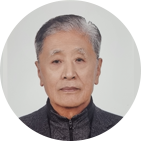
 민찬혁 해남군 의원 / 사진제공=해남군 의사과 |
해남군의회가 재생에너지 생산지역을 산업과 정주 기능이 결합된 국가 성장거점으로 육성하기 위한 특별법 제정을 정부와 국회에 촉구했다.
민찬혁 해남군의원은 의안번호 제4199호인 ‘재생에너지 자립도시 조성 및 지원에 관한 특별법 제정 촉구 건의안’을 제안하며, 재생에너지 생산지역에 대한 행정·재정 지원과 기반시설 조성 특례를 마련해야 한다고 밝혔다.
민 의원은 “대한민국이 인공지능 산업 육성과 탄소중립 실현을 위해 재생에너지 확대를 추진하고 있지만, 재생에너지 생산지역을 국가 성장거점으로 육성할 법적·제도적 기반은 여전히 미흡하다”고 지적했다.
현재 국내 전력공급 체계는 재생에너지 생산지역과 대규모 소비지역이 떨어져 있는 중앙집중형 구조다. 재생에너지 발전시설이 특정 지역에 집중되면서 송전망 부족에 따른 출력제어와 계통 포화가 발생하고, 신규 송전망 건설을 둘러싼 지역 갈등도 이어지고 있다는 것이 건의안의 핵심 문제의식이다.
특히 발전시설이 들어선 지역은 경관 훼손과 생활 불편 등 각종 부담을 감내하고 있지만, 재생에너지 생산이 기업 유치와 양질의 일자리, 인구 유입 등 실질적인 지역발전으로 충분히 연결되지 못하고 있다는 지적이다.
민 의원은 해남과 같은 인구감소지역의 경우 기업 유치와 정주여건 개선을 위해 도로·교통·주거·교육·의료·생활SOC 확충이 필요하지만, 경제성 중심의 예비타당성조사와 현행 재정지원 체계만으로는 국가 지원을 확보하는 데 한계가 있다고 설명했다.
이에 따라 재생에너지를 생산한 지역에서 산업체와 주민이 에너지를 함께 소비하는 ‘지산지소형 분산에너지 체계’를 구축하고, 에너지·산업·주거·생활서비스가 결합된 재생에너지 자립도시를 조성해야 한다고 제안했다.
건의안에서 제시한 특별법은 재생에너지 자립도시 지정과 전력계통 확충, 도로·교통 등 기반시설 조성, 기업 유치, 행정·재정 지원 등에 관한 법적 근거를 마련하는 것을 주요 내용으로 한다.
해남군의회는 해남군이 솔라시도를 중심으로 재생에너지 생산 여건과 기업도시 개발 기반을 갖추고 있으며, AI컴퓨팅센터와 AI 데이터센터, RE100 산업단지 등 첨단산업과 연계할 수 있는 잠재력도 보유하고 있다고 강조했다.
그러나 계획과 구상이 실제 투자와 일자리, 인구 증가로 이어지기 위해서는 전력계통뿐만 아니라 도로와 대중교통, 주택, 교육, 의료, 문화시설 등 주민과 근로자가 정착할 수 있는 종합적인 생활 기반이 함께 마련돼야 한다.
해남군의회는 건의안을 통해 정부와 국회에 세 가지 사항을 요구했다.
먼저 분산에너지 기반의 국가 전력체계를 구축하고 재생에너지 생산지역의 산업·정주 기반을 조성할 수 있도록 ‘재생에너지 자립도시 조성 및 지원에 관한 특별법’을 조속히 제정할 것을 촉구했다.
이어 재생에너지 자립도시의 기반시설 확충이 원활하게 추진될 수 있도록 행정·재정 지원과 기반시설 조성 특례 등 실효성 있는 지원체계를 마련하라고 요구했다.
아울러 정부가 솔라시도를 중심으로 해남군을 재생에너지 자립도시 선도모델로 지정·육성하고, 특별회계 설치를 비롯한 행정·재정 지원을 확대해야 한다고 건의했다.
다만 특별법 제정 요구가 실질적인 지역발전으로 이어지려면 자립도시 지정 요건과 지원 대상, 국비·지방비 분담 기준, 전력망 확충 책임, 기업 지원 특례, 주민 이익공유 방안을 구체적으로 설계해야 한다.
특히 재생에너지 생산량과 기업 투자계획, 상시 고용 규모, 주택 공급, 교통망 확충, 교육·의료시설 조성계획을 수치와 일정으로 공개해 주민들이 사업 효과를 검증할 수 있도록 해야 한다는 목소리가 나온다.
민찬혁 의원은 “특별법을 통해 재생에너지 생산지역에 대한 행정·재정 지원의 법적 근거를 마련하고, 해남군을 재생에너지 자립도시의 선도모델로 육성해야 한다.”며 “이를 통해 국가 에너지 대전환과 국가균형발전을 함께 이끌어야 한다.”고 밝혔다.
Haenam County Council Calls for Enactment of ‘Special Act on Renewable Energy Self-Sufficient Cities’…“Haenam Should Become a Leading Model”
Councilor Min Chan-hyeok presents Proposal No. 4199
Separation between renewable energy-producing and consuming regions causes repeated curtailment and grid saturation
Local communities bear the burden of power generation facilities but see limited gains in industry, jobs, and population growth
Proposal calls for a locally produced and locally consumed distributed energy system integrating industry and residential functions
Administrative and financial assistance sought for roads, transportation, and essential community infrastructure
Solaseado to be linked with AI computing centers, data centers, and an RE100 industrial complex
Council urges designation of Haenam as a leading renewable energy self-sufficient city and establishment of a special account
“Special legislation must go beyond its title—eligibility, funding, and community benefit-sharing must be clearly defined”
【Haenam=Haenam News】 haenamnews@kakao.com
The Haenam County Council has called on the government and the National Assembly to enact special legislation aimed at developing renewable energy-producing regions into national growth hubs that combine industrial development with sustainable residential communities.
Haenam County Councilor Min Chan-hyeok introduced Proposal No. 4199, titled the “Resolution Urging the Enactment of the Special Act on the Development and Support of Renewable Energy Self-Sufficient Cities.” He emphasized the need to establish special provisions for administrative and financial support, as well as infrastructure development, in renewable energy-producing regions.
“South Korea is expanding renewable energy to foster the artificial intelligence industry and achieve carbon neutrality, but the legal and institutional framework needed to develop renewable energy-producing regions into national growth hubs remains inadequate,” Min said.
South Korea’s current electricity supply system is largely centralized, with renewable energy-producing regions located far from major consumption centers. As renewable generation facilities become concentrated in particular areas, insufficient transmission capacity has led to repeated power curtailment and grid saturation. Conflicts surrounding the construction of new transmission lines have also continued.
In particular, communities hosting renewable energy facilities must endure burdens such as landscape degradation and disruptions to daily life. Nevertheless, renewable energy production has not been sufficiently translated into meaningful local development, including business attraction, high-quality jobs, and population growth.
Min explained that population-declining areas such as Haenam need expanded roads, transportation, housing, education, healthcare, and essential community infrastructure to attract businesses and improve settlement conditions. However, the current government funding system and preliminary feasibility studies focused primarily on economic viability make it difficult for such regions to secure adequate national support.
The proposal therefore calls for a distributed energy system based on the principle of “local production and local consumption,” under which industries and residents consume renewable energy in the regions where it is generated. It also proposes developing renewable energy self-sufficient cities that integrate energy production, industry, housing, and essential public services.
The proposed Special Act would establish the legal grounds for designating renewable energy self-sufficient cities, expanding power-grid capacity, developing roads and transportation infrastructure, attracting businesses, and providing administrative and financial support.
The Haenam County Council stressed that Haenam has favorable conditions for renewable energy production and enterprise-city development, centered on Solaseado. It also highlighted the county’s potential to link renewable energy with advanced industries, including an AI computing center, AI data centers, and an RE100 industrial complex.
However, for these plans and proposals to lead to actual investment, jobs, and population growth, Haenam must develop not only its power grid but also a comprehensive settlement infrastructure—including roads, public transportation, housing, education, healthcare, and cultural facilities—so that workers and their families can settle in the region.
Through the resolution, the Haenam County Council presented three major demands to the government and the National Assembly.
First, it urged the prompt enactment of the “Special Act on the Development and Support of Renewable Energy Self-Sufficient Cities” to establish a national electricity system based on distributed energy and to develop industrial and residential foundations in renewable energy-producing regions.
Second, it called for an effective support system that includes administrative and financial assistance, as well as special provisions for infrastructure development, to ensure the smooth construction of essential facilities in designated renewable energy self-sufficient cities.
Third, it urged the government to designate and develop Haenam County, centered on Solaseado, as a leading model for renewable energy self-sufficient cities and to expand administrative and financial support, including the establishment of a dedicated special account.
For the proposed legislation to bring substantive local development, however, the government must clearly define the designation criteria for renewable energy self-sufficient cities, eligible support recipients, cost-sharing arrangements between the national and local governments, responsibility for expanding the power grid, incentives for businesses, and mechanisms for sharing benefits with residents.
The amount of renewable energy generated, corporate investment plans, permanent employment projections, housing supply, transportation expansion, and plans for educational and medical facilities should also be disclosed with specific figures and implementation timelines so that residents can independently assess the project’s impact.
“Through this Special Act, we must establish a legal basis for administrative and financial support for renewable energy-producing regions and develop Haenam County as a leading model for renewable energy self-sufficient cities,” Min said. “By doing so, Haenam can help drive both South Korea’s energy transition and balanced national development.”
 해남뉴스 박충배 편집 및 논설위원 news@hbcnews.kr